Chlorine Dreams and Quarter Admissions: The Public Pool Paradise America Abandoned
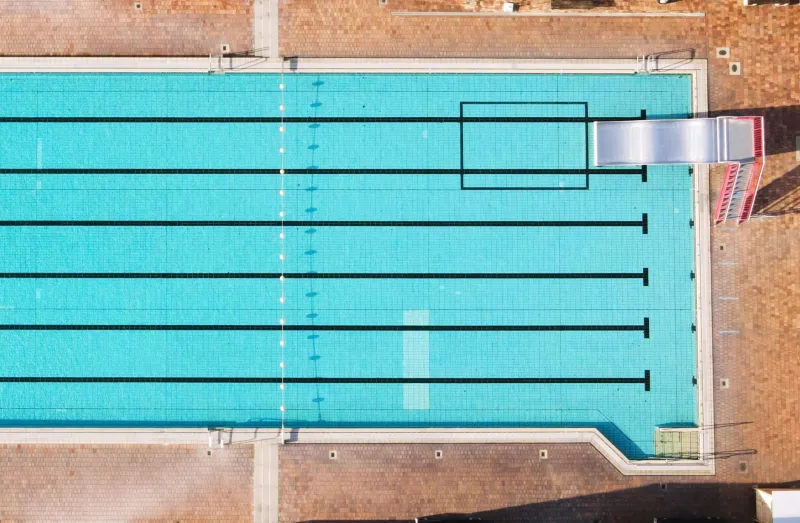
On any scorching July morning in 1967, the scene was identical across America: hundreds of kids racing their bikes toward the neighborhood pool, quarters clutched in sweaty palms, ready to claim their spot in the greatest democracy summer ever created. The public swimming pool wasn't just recreation—it was the beating heart of American summer, where banker's kids and factory workers' children shared the same chlorinated paradise from dawn until the lifeguard's whistle sent everyone home.
Today, those same pools sit empty, fenced off, or converted into parking lots. The institution that once defined childhood summers for millions of Americans has quietly disappeared, taking with it something irreplaceable: the idea that summer belonged to everyone.
The Golden Age of Getting Wet
Between 1950 and 1970, America built swimming pools like other countries built churches. Every town with more than 5,000 residents seemed to have at least one municipal pool, often several. Cities like Chicago operated over 70 public pools simultaneously. Los Angeles maintained nearly 100. These weren't modest facilities—they were aquatic palaces with diving boards, wading pools for toddlers, and sprawling decks where families spent entire days.
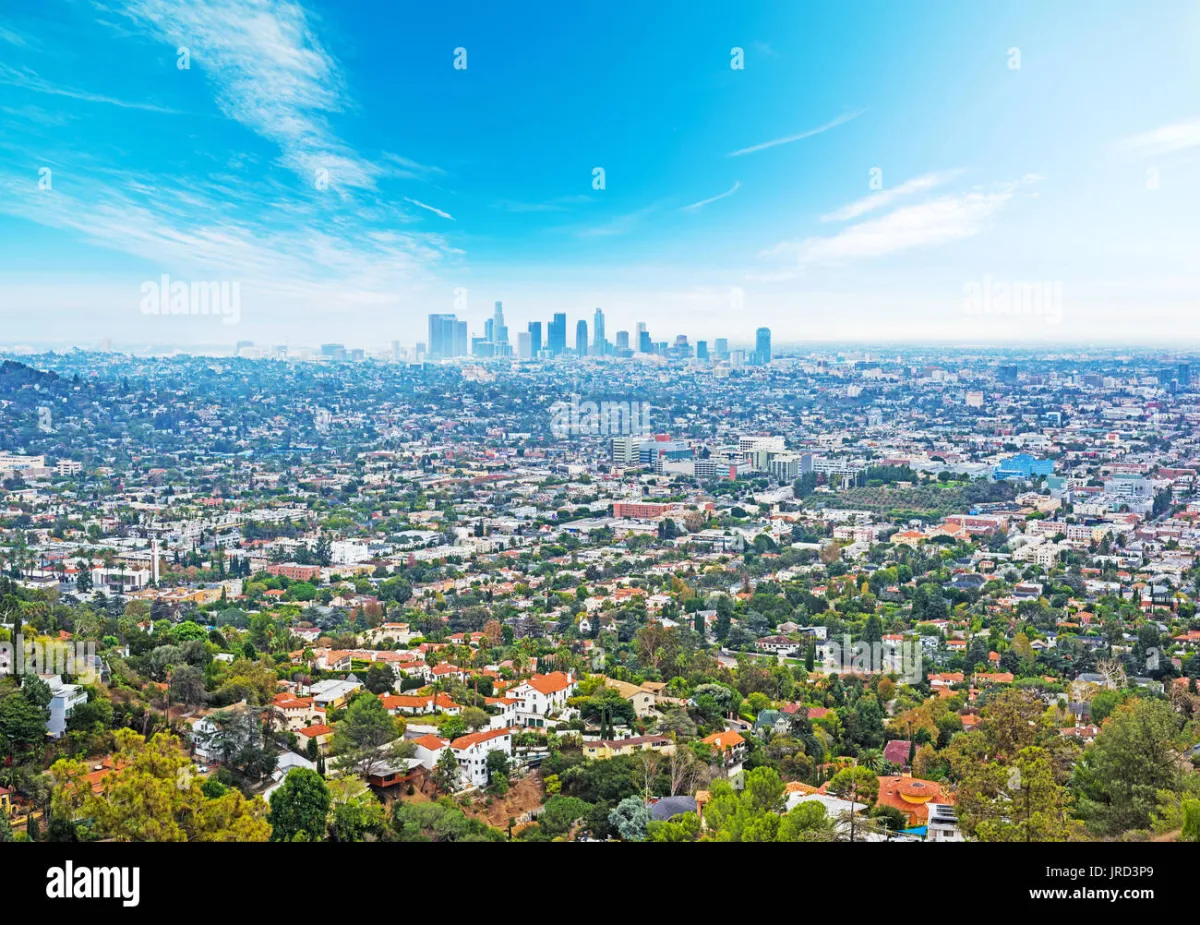 Photo: Los Angeles, via c8.alamy.com
Admission cost almost nothing. A quarter got you in for the day in most places, maybe fifty cents at the fanciest facilities. Season passes rarely exceeded five dollars—less than a family would spend on a single movie ticket. For working-class families, the public pool represented luxury they could actually afford.
"We basically lived there from June through August," recalls Sandra Williams, who grew up near Cleveland's Woodland Hills pool in the 1960s. "My mom would pack sandwiches, and we'd stay from opening until closing. It cost her a dollar to entertain four kids for the entire day."
The pools themselves were architectural statements. Many featured Art Deco designs with soaring diving platforms, elegant bathhouses, and landscaped grounds that rivaled private country clubs. Cities took pride in their aquatic offerings, viewing them as symbols of civic prosperity and democratic values.
The Social Mixing Machine
What made public pools truly revolutionary was their role as America's great equalizer. In an era when many neighborhoods remained segregated by class and ethnicity, the pool created a shared space where differences dissolved in chlorinated water. The banker's daughter and the mechanic's son competed in the same swimming races, shared the same snack bar, and learned to navigate social hierarchies based on diving board courage rather than family income.
"The pool was where you learned to be American," observes historian Jeff Wiltse, who documented the rise and fall of public swimming in his research. "Kids from different backgrounds had to figure out how to get along, share space, and create their own social order. It was democracy in action."
Parents appreciated the pools for different reasons. In an age before air conditioning was universal, they provided relief from summer heat. More importantly, they offered safe, supervised environments where children could spend entire days without constant parental oversight. Lifeguards weren't just safety monitors—they were temporary surrogate parents for hundreds of kids whose mothers could finally get household chores done or even take a break.
The social rituals around public pools created lasting memories and friendships. Swimming lessons in the morning, competitive games after lunch, and the daily drama of who would be brave enough to jump from the high dive. These experiences were shared across economic and social lines, creating common cultural touchstones that bound communities together.
The Beginning of the End
The decline began in the 1970s and accelerated through the following decades. Rising maintenance costs, liability concerns, and changing demographics all contributed to the slow death of public pool culture. Cities facing budget pressures found pools easy targets for cuts—expensive to maintain, seasonal in use, and politically easier to eliminate than police or fire services.
Meanwhile, suburban sprawl and increasing affluence created new alternatives. Backyard pools became more affordable, community centers offered year-round indoor swimming, and private swim clubs proliferated in wealthy suburbs. Middle-class families who once relied on public pools found other options, leaving the facilities increasingly associated with lower-income communities.
The rise of liability culture dealt another blow. Insurance costs skyrocketed as cities faced lawsuits over pool accidents. Diving boards—once the crown jewels of public pools—were removed from facilities across the country. The carefree atmosphere that once defined pool culture gave way to increasingly restrictive rules and nervous supervision.
The Privatization of Summer
By 2020, America had lost nearly half of its public pools since their 1970s peak. Cities like Detroit, which once operated dozens of public pools, were down to a handful. Philadelphia closed 20 pools between 1980 and 2000. Even wealthy communities abandoned public swimming in favor of private alternatives.
What replaced the public pool was a patchwork of expensive private options. Community swim clubs with initiation fees and monthly dues. Municipal recreation centers that charged daily admission rates ten times higher than the old quarter entry fee. Private lessons at $50 per hour. Summer camps that cost more per week than entire families once spent on a season of pool access.
The democratizing effect of public pools vanished along with the facilities themselves. Swimming became stratified by income level, with wealthy families accessing elaborate private clubs while working-class children lost access to swimming altogether. The CDC now estimates that 40% of American children can't swim proficiently—a skill that was nearly universal among kids who grew up with public pool access.
The Cultural Casualties
Beyond swimming skills, America lost something harder to quantify: the shared experience of summer freedom. The public pool had been a place where children learned independence, negotiated social relationships, and experienced the pure joy of unstructured play. Parents trusted the community nature of the space, knowing that other adults would keep an eye on everyone's children.
"We had this incredible freedom that kids today can't imagine," says Robert Martinez, who spent summers at East LA's Lincoln Park pool in the 1960s. "We'd ride our bikes there at 9 AM and not come home until dinner. Our parents knew we were safe, and we knew we belonged somewhere."
The loss of this communal space coincided with broader changes in American childhood: the rise of structured activities, increased parental supervision, and the retreat from public life into private spaces. The pool had been one of the last places where children from different backgrounds naturally mixed and played together.
What We Gave Up
Today's children have access to swimming through lessons, camps, and private clubs, but they've lost the democratic magic of the public pool. They've traded community for convenience, shared experiences for customized programs, and the wild freedom of summer days for carefully scheduled activities.
The public pool represented something uniquely American: the belief that certain pleasures—like the joy of a perfect cannonball or the triumph of finally swimming to the deep end—should be available to everyone, regardless of their family's bank account. Its disappearance reflects our broader retreat from public life and shared institutions.
In abandoning the public pool, America didn't just close recreational facilities—we gave up on the idea that summer should belong to every child, that communities could create spaces where differences disappeared in the splash of chlorinated water, and that the best things in life really could be almost free.
The quarter admission and chlorine dreams of yesterday remind us of a different vision of American summer—one where the most important passport to paradise was simply being a kid with a bike and the courage to jump in the deep end.