The Great American Wait: When Finding Answers Was an Adventure Worth Taking

The Argument That Lasted Three Days
Picture this: It's 1985, and you're at a dinner party when someone claims that Alaska became a state in 1958. Another guest insists it was 1959. The debate grows heated, with everyone taking sides based on half-remembered history lessons and confident assertions. But unlike today, where someone would immediately pull out their phone and settle the matter in 10 seconds, this argument would continue for days.
Phone calls would be made to relatives who might know. Someone would promise to check their encyclopedia set when they got home. Another person would volunteer to stop by the library on their lunch break. The question would follow everyone home, creating a shared mystery that connected strangers through the simple human desire to know the truth.
This was how Americans learned things before the internet had an answer for everything—through patience, effort, and the understanding that knowledge was something you had to actively pursue, not passively receive.
When Libraries Were Adventure Destinations
The local library wasn't just a quiet place to study; it was command central for serious information gathering. Reference librarians were the Google algorithms of their time—human databases who could guide you through the maze of card catalogs, periodical indexes, and specialized reference books that contained the world's accumulated knowledge.
Walking into the reference section was like entering a treasure hunt. You might start looking for information about the Civil War and end up discovering fascinating details about 19th-century medicine, simply because the books were shelved nearby. The physical arrangement of knowledge encouraged serendipitous learning in ways that targeted internet searches never could.
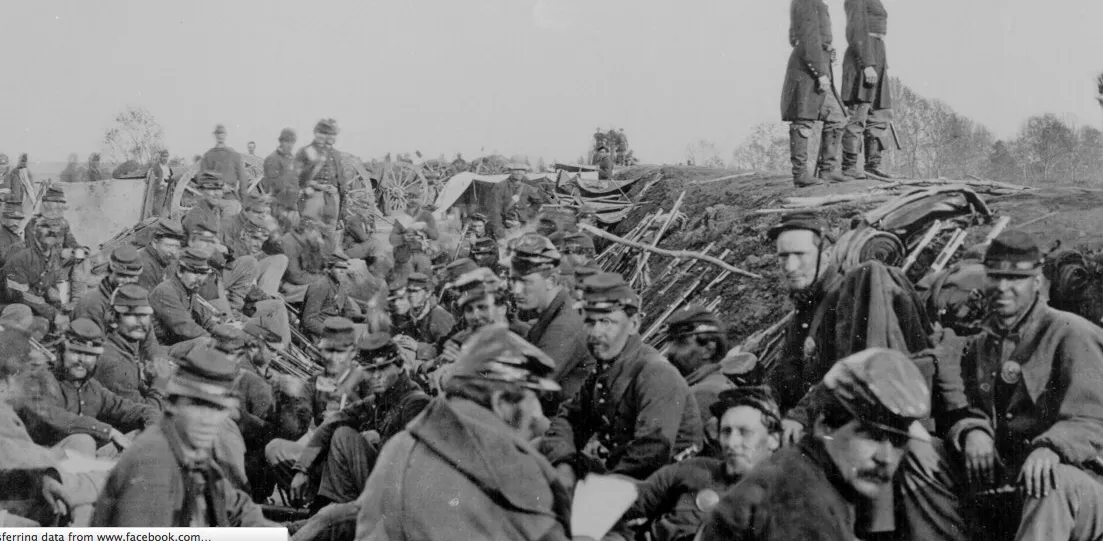 Photo: Civil War, via www.sott.net
Kids would spend entire Saturday afternoons in the library, not because they had specific homework assignments, but because they'd gotten curious about dinosaurs or space travel or how bridges were built. The act of physically moving through the stacks, pulling books from shelves, and flipping through pages created a relationship with information that was tactile and deliberate.
The Encyclopedia Set: Your Family's Knowledge Fortress
Owning a complete encyclopedia set was a significant family investment—often costing the equivalent of $2,000 in today's money. But it was also a source of immense pride. These 20 or 30 volumes represented human knowledge distilled into a form you could actually own, touch, and consult whenever curiosity struck.
Families would gather around the dining room table when questions arose, pulling out the appropriate volume and reading entire entries aloud. Kids learned to navigate the cross-references, following trails from one topic to another in ways that naturally expanded their understanding. "See also: Ancient Rome" wasn't just a suggestion—it was an invitation to keep exploring.
 Photo: Ancient Rome, via landmarksarchitects.com
The yearly updates that encyclopedia companies provided became family events. New volumes would arrive in the mail, and everyone would examine the latest entries to see what had changed in the world since last year's edition. This annual ritual taught children that knowledge wasn't static—it grew and evolved as human understanding advanced.
When the Smartest Person in the Room Actually Mattered
Every community had its walking encyclopedias—people known for their vast knowledge in specific areas. The retired history teacher who could recite Civil War battle dates. The mechanic who understood every engine ever built. The grandmother who knew the genealogy of every family in town. These human resources were treasured and consulted regularly.
Seeking out these experts required social interaction and relationship building. You couldn't just type a question into a search bar; you had to call someone, visit their home, or catch them at the hardware store. This process created connections between generations and strengthened community bonds in ways that isolated internet searching never could.
These experts also served as quality filters for information. When someone with 40 years of experience told you something, you could trust their knowledge in ways that anonymous internet sources couldn't match. Their expertise came with context, nuance, and the ability to explain not just what was true, but why it mattered.
The Art of the Long Search
Some questions took weeks to answer, and that was perfectly normal. If you wanted to know about your family's immigration history, you might start by interviewing elderly relatives, then write letters to historical societies, and eventually plan a trip to examine courthouse records. The research itself became an adventure that was often more rewarding than the final answer.
This extended process taught patience and persistence in ways that instant information never could. You learned to triangulate sources, compare different accounts, and build understanding gradually rather than expecting immediate gratification. The effort required to find information made it more valuable when you finally discovered it.
Students writing research papers would spend days in libraries, taking handwritten notes from dozens of sources. The physical limitation of how much information you could gather in a single day forced careful selection and deep reading rather than the surface-level skimming that characterizes much modern research.
When Not Knowing Was Acceptable
Perhaps most importantly, the pre-internet world was comfortable with uncertainty. It was perfectly acceptable to say "I don't know" and leave it at that, at least temporarily. Conversations could continue despite unresolved factual questions. Debates could remain friendly even when no one could definitively prove their point.
This tolerance for uncertainty encouraged speculation, hypothesis formation, and creative thinking. When you couldn't immediately verify every claim, you had to evaluate information based on logic, source credibility, and consistency with other known facts. These critical thinking skills were developed through necessity rather than taught as abstract concepts.
The Information Revolution's Hidden Costs
When the internet arrived, it seemed like an unqualified blessing. Instant access to virtually unlimited information promised to make everyone smarter, more informed, and better able to participate in democratic society. And in many ways, it delivered on these promises.
But something was lost in the translation from physical to digital information gathering. The patience required to find answers disappeared, along with the serendipitous discoveries that came from browsing physical collections. The social connections formed through shared searches for knowledge were replaced by isolated interactions with search engines.
Perhaps most significantly, we lost the understanding that not all questions have simple answers, and that the process of seeking knowledge is often more valuable than the knowledge itself.
What We Gained and Lost
Today's instant information access has democratized knowledge in unprecedented ways. Anyone can access scholarly research, historical documents, and expert analysis that once required special credentials or geographic proximity to major libraries. The speed of information flow has accelerated scientific discovery, enabled global collaboration, and made it possible for curious individuals to become experts in almost any field.
But we've also lost something essential: the appreciation for knowledge as something that requires effort to obtain and wisdom to interpret. When every question can be answered in seconds, we've stopped asking which questions are worth asking. When every fact is equally accessible, we've lost the ability to distinguish between information and understanding.
The Americans who learned to navigate the world through encyclopedias and library searches developed a different relationship with knowledge—one based on patience, community, and the understanding that the best answers often come to those willing to wait for them.