The Kitchen Table Empire: When America's Biggest Businesses Started With a Handwritten Sign
When Good Ideas Were Enough
Mary Henderson started her catering business in 1967 with a $15 classified ad in the local newspaper and business cards she typed herself on her husband's typewriter. Within six months, she was feeding three office parties a week and clearing more profit than her neighbor made at the factory. No website, no social media strategy, no LLC paperwork—just word of mouth and a reputation for making the best potato salad in Akron, Ohio.
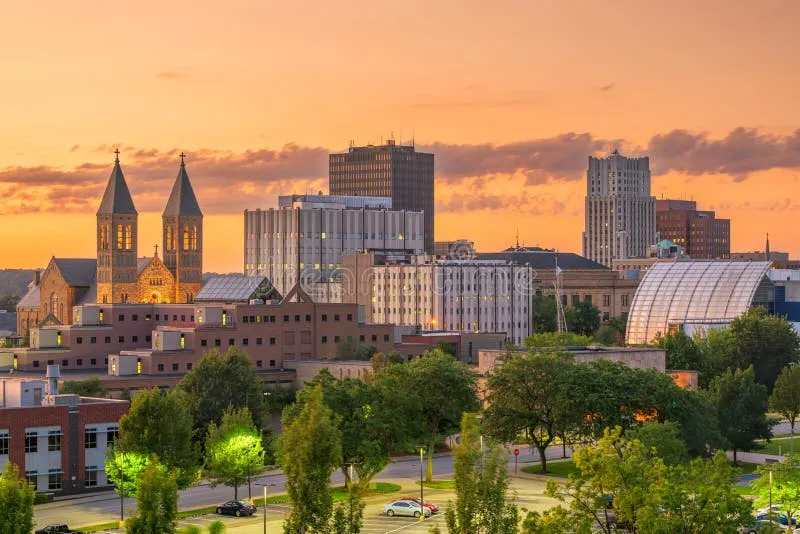 Photo: Akron, Ohio, via thumbs.dreamstime.com
Today, Mary's equivalent would need to navigate business registration fees, liability insurance, health department permits, a professional website, social media presence across four platforms, online review management, digital payment processing, and compliance with dozens of regulations that didn't exist when Mary hung her first "Henderson Catering" sign in her kitchen window.
The $25 Startup vs. The $25,000 Launch
In the 1960s and 70s, America's small business landscape was breathtakingly simple. A handyman could start his business with a phone book listing that cost $3 a month. A seamstress could build a clientele with flyers posted at the grocery store bulletin board. A neighborhood kid with a lawn mower could create a summer business that paid for his first car.
The average startup cost for a small service business in 1970 was under $500 in today's dollars. Most of that went toward basic tools or initial inventory. The "marketing budget" was whatever stamps cost to mail flyers to every house in a three-block radius.
Compare that to today's reality: the average small business spends $40,000 in its first year, with nearly half going toward digital infrastructure, legal compliance, and marketing that may never reach a single potential customer. Before serving their first client, modern entrepreneurs often invest more money than their 1970s counterparts made in their entire first year.
When Customers Found You, Not Algorithms
The most striking difference isn't just cost—it's complexity. Frank's TV Repair didn't need to understand SEO, manage Google Reviews, or compete with Amazon's same-day delivery. He put a sign in his window, fixed televisions better than anyone else in town, and customers came to him because their neighbors recommended him.
Today's equivalent repair business must master digital marketing, online scheduling, review management, social media engagement, and local search optimization just to be discovered. They're competing not just with the shop down the street, but with every repair service in a 50-mile radius that shows up in Google searches.
The Personal Touch That Paid
What made mid-century entrepreneurship work wasn't just simplicity—it was genuine community connection. Businesses succeeded because owners knew their customers personally. The local baker knew Mrs. Johnson preferred her bread a little less brown. The corner grocer saved the best tomatoes for his regular customers. The neighborhood mechanic would let you pay next week if times were tight.
This personal approach wasn't just good customer service—it was a sustainable business model. Loyalty was built through relationships, not loyalty programs. Marketing happened through satisfied customers telling their friends, not through targeted Facebook ads and email campaigns.
When Regulations Made Sense
The regulatory environment was certainly simpler, but that doesn't mean it was lawless. Health departments still inspected restaurants, and businesses still needed basic permits. The difference was scale and accessibility. A small business owner could walk into city hall, talk to a real person, and understand exactly what was required. The entire process might take an afternoon, not months of paperwork and legal consultations.
Today's entrepreneur faces federal, state, and local regulations that often contradict each other. The small business that once required a single permit now needs multiple licenses, ongoing compliance reporting, and often legal counsel just to understand what's required.
The Infrastructure Trap
Modern business infrastructure promises efficiency and reach that Mary Henderson could never have imagined. Today's catering business can take orders online, process payments instantly, and reach customers across the entire metropolitan area. But this infrastructure comes with a hidden cost: dependency.
When Google changes its algorithm, businesses lose customers overnight. When social media platforms adjust their policies, marketing strategies become obsolete. When payment processors raise fees, profit margins shrink. The very systems designed to help small businesses have created new vulnerabilities that didn't exist when success depended on personal relationships and local reputation.
What We've Gained and Lost
Today's entrepreneurs have access to global markets, sophisticated tools, and resources that would have seemed magical in 1970. A teenager can create an online business that reaches customers worldwide. Software can automate tasks that once required hiring employees. Digital marketing can target exactly the right customers with precision Mary Henderson never could have achieved.
But we've also lost something essential: the ability to start small and simple. The neighborhood business that served a real community need with nothing more than skill and dedication has been replaced by ventures that must master technology, navigate complex regulations, and compete in an increasingly crowded digital marketplace before they ever get the chance to simply be good at what they do.
The question isn't whether progress is good or bad—it's whether we've made it unnecessarily difficult for good ideas to become good businesses. Mary Henderson's potato salad was still the best in Akron, but today's Mary might never get the chance to prove it.