The Now vs Then
How different was the world before today?

The Now vs Then

How different was the world before today?

Articles — Page 2

The TV Turned Itself Off and So Did You: What We Gave Up When Entertainment Learned to Stay Awake
Culture

The TV Turned Itself Off and So Did You: What We Gave Up When Entertainment Learned to Stay Awake

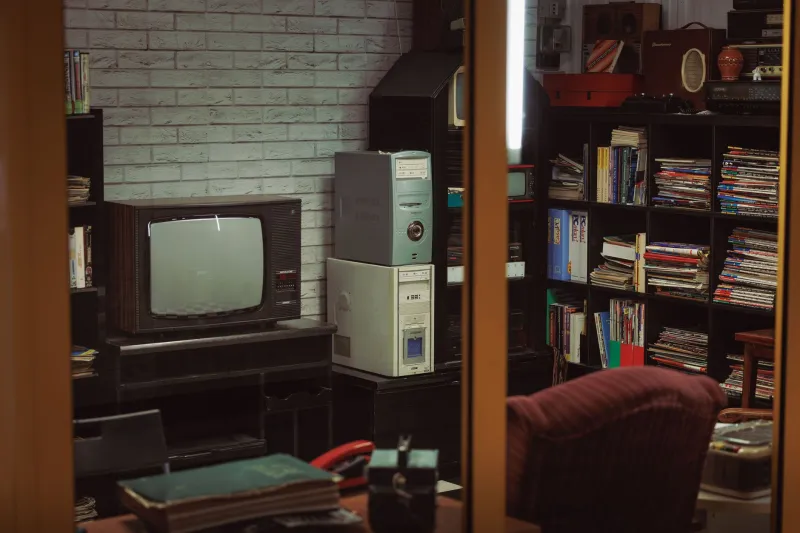
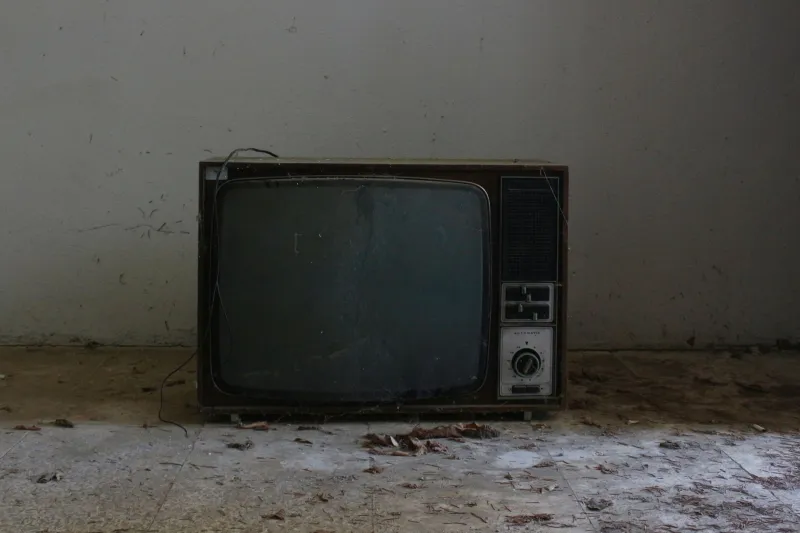
Not long ago, American television simply stopped broadcasting at night. The screen went dark, the national anthem played, and that was the end of it. That hard stop wasn't just a technical limitation — it was a built-in signal to go to bed, and losing it has cost us more than we probably realize.

Sep 14, 2026

The Thick Little Booklet in the Box: Back When Using Something New Required Actually Learning It
Culture

The Thick Little Booklet in the Box: Back When Using Something New Required Actually Learning It

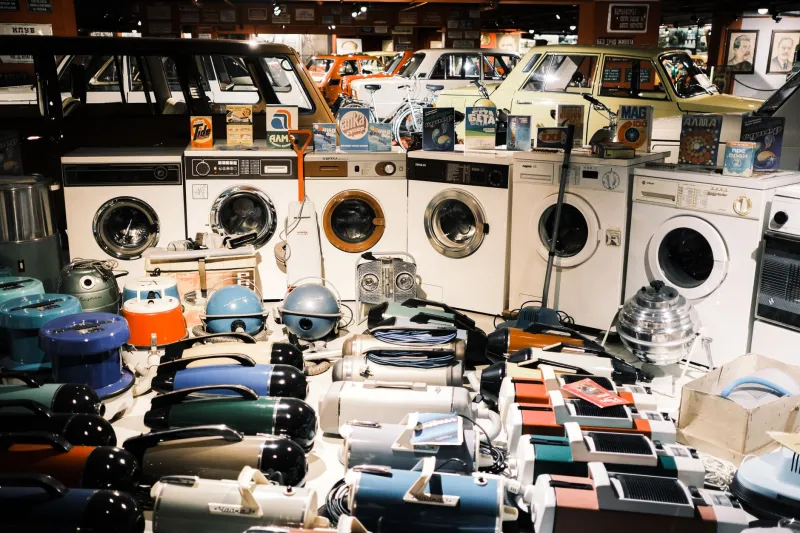
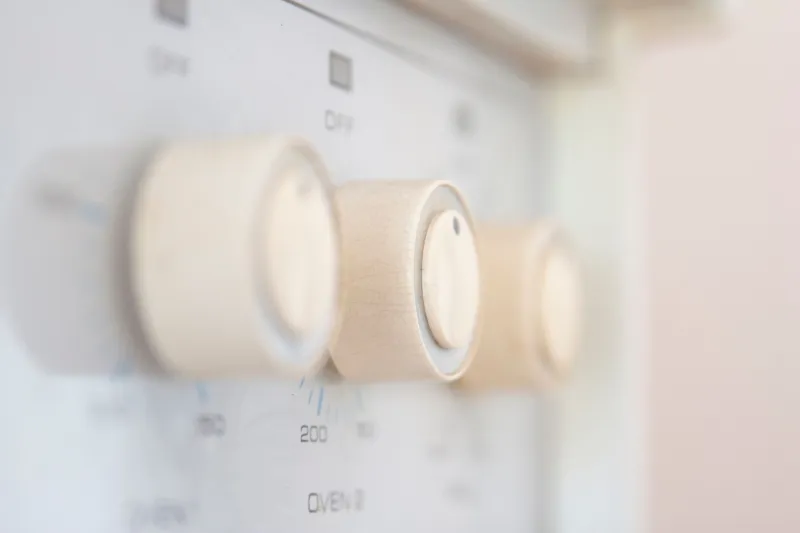
Every new appliance used to come with a manual you were expected to read. Today's devices are designed so you never have to think about how they work. That shift is more significant than it sounds — and what we traded away for convenience might be harder to get back than we realize.

Sep 05, 2026

Dr. Calloway Knew You Were Allergic to Penicillin Without Looking It Up: The Era of the Doctor Who Actually Knew You
Culture

Dr. Calloway Knew You Were Allergic to Penicillin Without Looking It Up: The Era of the Doctor Who Actually Knew You

For most of the twentieth century, Americans had one doctor, one pharmacist, and one dentist — and those people knew their patients the way a neighbor knows a neighbor. Today, your medical history is scattered across a dozen disconnected systems, and the provider you see today may never see you again. Something important changed, and it wasn't just the paperwork.

Sep 05, 2026

When Your Banker Knew Your Father's Name: The Death of the Handshake Loan
Finance

When Your Banker Knew Your Father's Name: The Death of the Handshake Loan

There was a time when getting a loan meant sitting across a desk from someone who'd watched you grow up. Today, an algorithm decides your financial fate before a human ever sees your name. The shift from relationship banking to automated lending changed more than just the process — it changed who gets a chance.

Sep 05, 2026

Stuck in the Waiting Room With Nothing But a Magazine and Your Own Thoughts
Culture

Stuck in the Waiting Room With Nothing But a Magazine and Your Own Thoughts

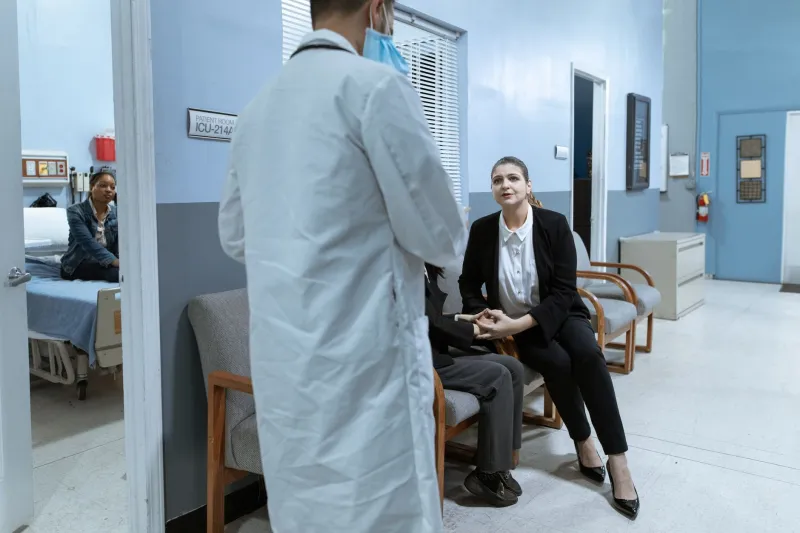
Before smartphones turned every idle moment into a scroll session, waiting rooms were accidental classrooms. A dog-eared copy of People or Popular Mechanics was all you had — and it turns out, that was more than enough. Here's what we gave up when we stopped sitting still.

Sep 01, 2026

You Used to Call. Now You Type. Here's What Got Lost in the Translation.
Culture

You Used to Call. Now You Type. Here's What Got Lost in the Translation.

There was a time when picking up the phone and calling someone was how you planned your Friday, apologized for a mistake, or just checked in on a friend. Today, that same call feels almost invasive. What happened to us — and what did we lose when we stopped talking to each other in real time?

Sep 01, 2026

When a Firm Handshake Was Enough: The Job Interview Before It Became a Tournament
Finance

When a Firm Handshake Was Enough: The Job Interview Before It Became a Tournament

Getting hired used to mean walking in, sitting down, and convincing one person you were worth a shot. Today it means surviving a gauntlet of resume scanners, video screens, coding challenges, and personality tests before a human even knows your name. Something changed — and it's worth asking whether it changed for the better.

Sep 01, 2026

Staring at the Ceiling Was Good for You: What Got Lost When Kids Stopped Being Bored
Culture

Staring at the Ceiling Was Good for You: What Got Lost When Kids Stopped Being Bored

There was a time when waiting rooms, car rides, and slow Saturday afternoons were just part of growing up — and kids were left alone to figure out what to do with themselves. Nobody handed them a device, and nobody felt guilty about it. What happened to all that empty time, and why does its disappearance matter more than we think?

Aug 05, 2026

Forty-Five Minutes in the Stacks: How Teenagers Once Taught Themselves Everything the Hard Way
Culture

Forty-Five Minutes in the Stacks: How Teenagers Once Taught Themselves Everything the Hard Way

Before search engines handed over answers in milliseconds, teenagers who wanted to know something had to work for it. They navigated card catalogs, waited weeks for interlibrary loans, and pieced together knowledge from whatever they could find. That friction wasn't a flaw in the system — it may have been the whole point.

Aug 05, 2026

Pin the Tail, Eat the Cake, Go Home: The Birthday Party Before It Became a Production
Finance

Pin the Tail, Eat the Cake, Go Home: The Birthday Party Before It Became a Production

Not long ago, a child's birthday party meant a backyard, a homemade cake, and a handful of neighborhood kids chasing each other until someone's mom called everyone in for ice cream. Today it means deposits, vendor contracts, and a party favor budget that rivals a weekend trip. How did celebrating a seven-year-old turn into a financial event?

Aug 05, 2026

Built to Outlive You: The Era When Americans Expected Their Stuff to Last a Lifetime
Culture

Built to Outlive You: The Era When Americans Expected Their Stuff to Last a Lifetime

There was a time when buying a refrigerator felt like a serious, once-in-a-generation decision. Today, most appliances are lucky to survive a single decade. What happened to the American belief that a good product was one you'd never have to replace?

Jul 20, 2026

Saturday Morning Swim Meets and Zero Dollar Entry Fees: How Youth Sports Became a Financial Endurance Test
Finance

Saturday Morning Swim Meets and Zero Dollar Entry Fees: How Youth Sports Became a Financial Endurance Test

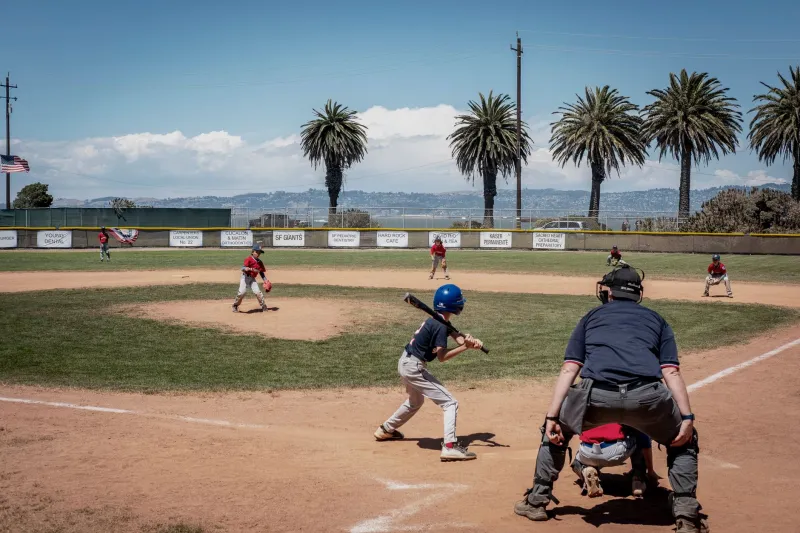
A generation ago, a kid who wanted to play baseball grabbed a glove and showed up at the park. Today, that same dream might require a $3,000 travel team commitment before the first pitch is thrown. Youth sports in America didn't just change — they became a market. And not every family can afford to buy in.

Jul 20, 2026

Yellow Pages and Lucky Guesses: The Forgotten Art of Finding Things Out on Your Own
Culture

Yellow Pages and Lucky Guesses: The Forgotten Art of Finding Things Out on Your Own

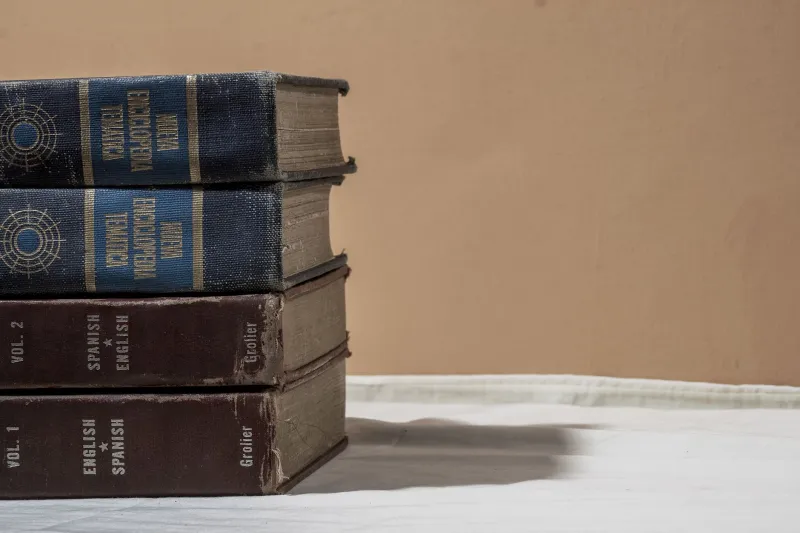
Before Google decided what you needed to know, Americans navigated the world through phone books, librarians, and educated guesses. It was slower, messier, and sometimes surprisingly better. Here's what the algorithm replaced — and what it quietly erased.

Jul 20, 2026

Staring Out the Window Was the Point: What the American Commute Lost When It Got Entertaining
Culture

Staring Out the Window Was the Point: What the American Commute Lost When It Got Entertaining

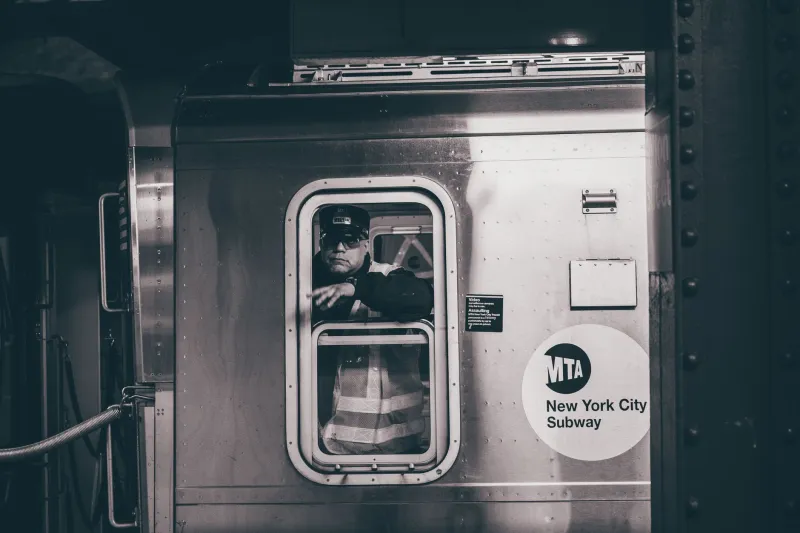
There was a time when the daily commute was forty minutes of doing absolutely nothing — and that was quietly, accidentally good for you. Before smartphones turned every idle moment into a content opportunity, Americans rode trains and buses in something we've almost forgotten how to do: genuine stillness. What happened when we decided that was a problem worth solving?

Jul 14, 2026

Page One of Forty-Seven: The Lost American Ritual of Actually Reading the Manual
Culture

Page One of Forty-Seven: The Lost American Ritual of Actually Reading the Manual

Before YouTube tutorials and Reddit threads, Americans who bought a new appliance or gadget had exactly one resource: a booklet, usually beige, occasionally spiral-bound, and almost always longer than they expected. The instruction manual was a contract between manufacturer and consumer — one that required patience, attention, and a willingness to figure things out without anyone watching over your shoulder. That contract has quietly expired.

Jul 14, 2026

The Question Nobody Asks Anymore: When American Families Actually Knew Each Other
Culture

The Question Nobody Asks Anymore: When American Families Actually Knew Each Other

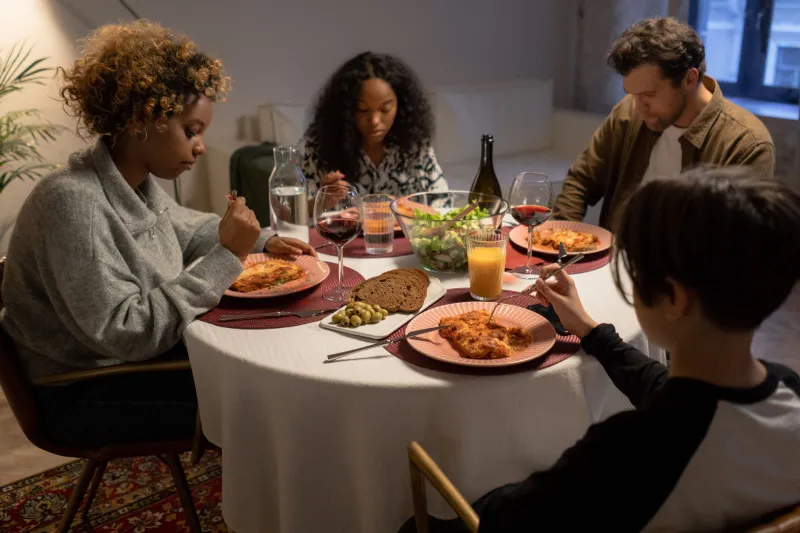
There was a version of American family life where knowing how your brother was really doing meant asking him — directly, over food, with time set aside and nowhere else to be. Before family group chats and Instagram stories created the illusion of closeness, the only way to truly understand someone's inner world was to sit across from them and ask. We've replaced that conversation with something faster, more convenient, and considerably shallower.

Jul 14, 2026

Nobody Knocked, They Just Came In: The Invisible Walls That Closed Off the American Neighborhood
Culture

Nobody Knocked, They Just Came In: The Invisible Walls That Closed Off the American Neighborhood

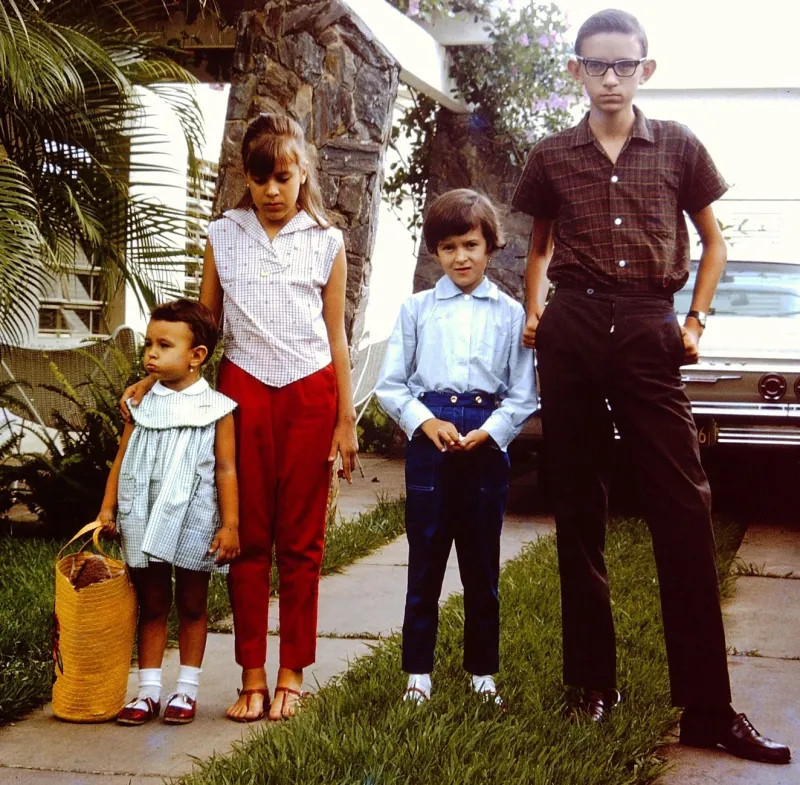
There was a version of American neighborhood life where the back door was never locked, kids migrated freely between yards, and a neighbor showing up unannounced wasn't an intrusion — it was just Tuesday. That world didn't disappear because of any single decision. It dissolved slowly, one Ring doorbell and one scheduled playdate at a time.

Jul 13, 2026

The Red Pen Had the Final Word: When a Teacher's Correction Was the End of the Argument
Culture

The Red Pen Had the Final Word: When a Teacher's Correction Was the End of the Argument

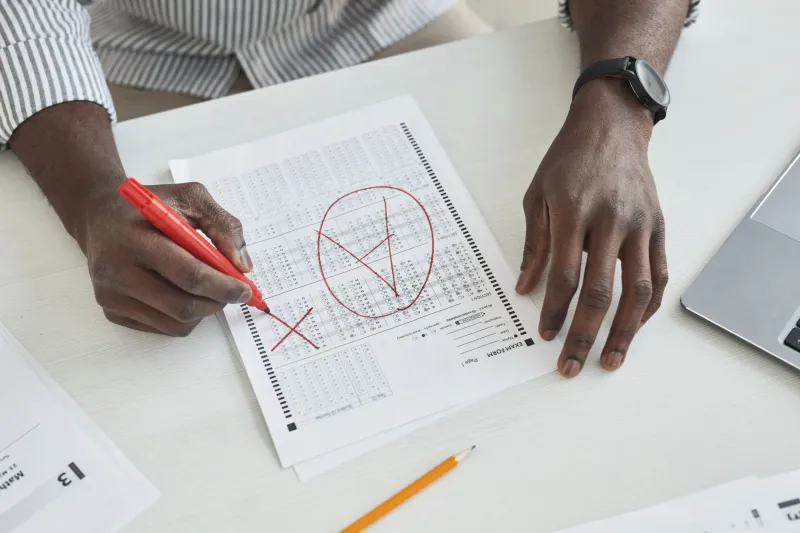
For most of American education history, the red mark on your paper was the verdict. You might not have liked it, but you accepted it — because the teacher knew, and you were still learning. That dynamic has shifted in ways that are more complicated than either side of the debate wants to admit.

Jul 13, 2026

The Magazine You Never Finished: What Disappeared When Waiting Rooms Stopped Making You Wait
Culture

The Magazine You Never Finished: What Disappeared When Waiting Rooms Stopped Making You Wait

There was a time when sitting in a doctor's waiting room meant flipping through a two-month-old copy of People and accidentally learning something about a celebrity you'd never heard of. That idle, unhurried pause before your name was called served a quiet purpose we didn't appreciate until it was gone.

Jul 13, 2026

When 'I Do' Didn't Cost a Down Payment: The Quiet Commercialization of the American Wedding
Culture

When 'I Do' Didn't Cost a Down Payment: The Quiet Commercialization of the American Wedding

In 1965, the average American wedding cost a few hundred dollars and fit comfortably in a church hall or backyard. Today, the national average tops $30,000 — and climbing. Somewhere between the bridal magazine and the Instagram reel, a community celebration became a production budget. The question worth asking: did any of it make the marriages better?

Jun 25, 2026