Steel Slides and Broken Arms: When American Playgrounds Actually Tested Your Courage

The Playground That Could Actually Hurt You
Walk into any American playground today and you'll find a carefully orchestrated safety zone: rounded edges, impact-absorbing surfaces, and equipment that's been tested to withstand everything except actual childhood adventure. But step back just 40 years, and you'd encounter a completely different world—one where playgrounds were designed to challenge kids, not protect them from every possible scrape.
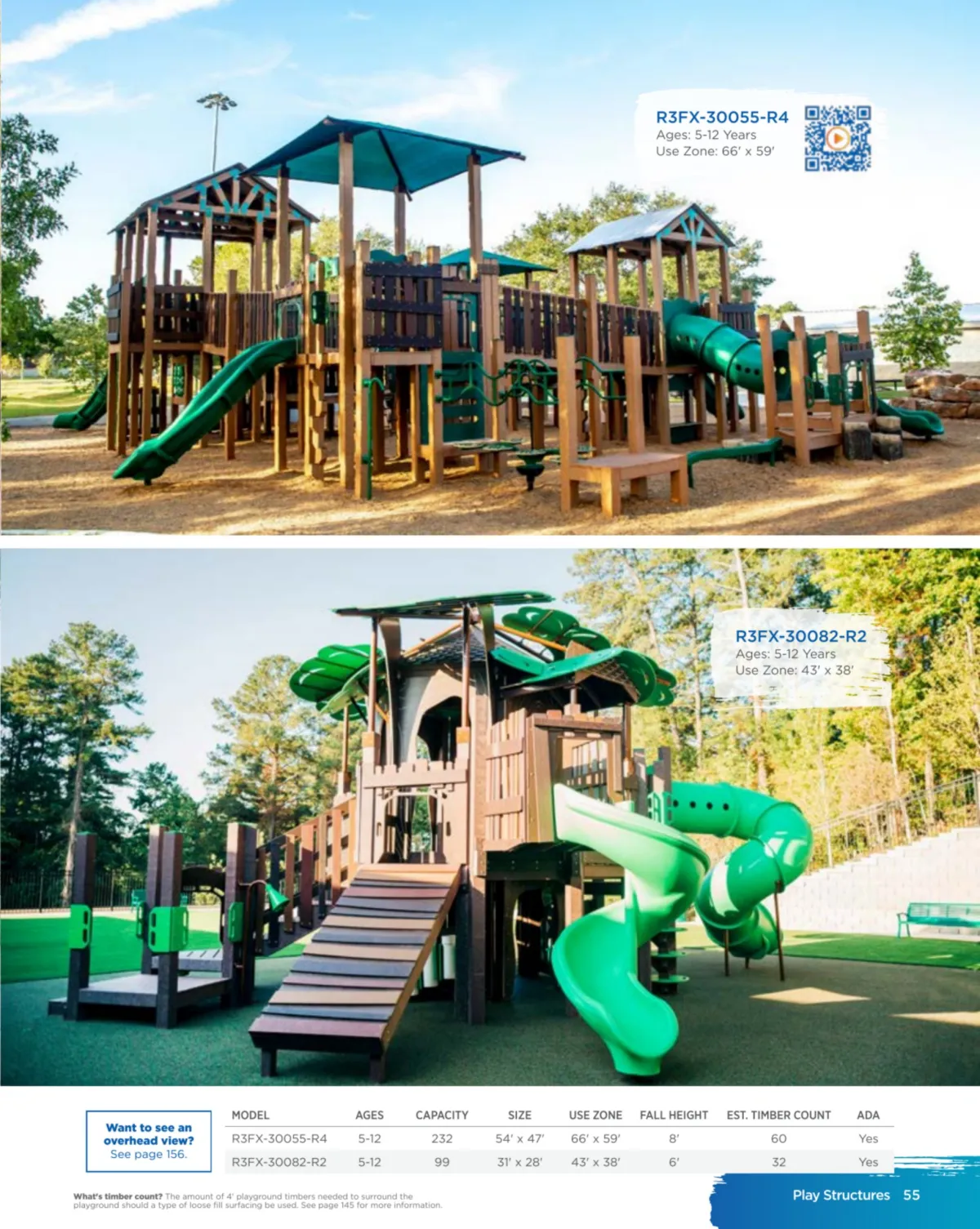 Photo: American playgrounds, via www.arcat.com
The old playgrounds weren't just different; they were dangerous by today's standards. And that was exactly the point.
When Metal Was the Material of Choice
The playgrounds of the 1970s and early 1980s were monuments to steel and concrete. Slides reached heights of 12 to 14 feet, made from burning-hot metal that could brand your legs on a summer day. Monkey bars stretched 20 feet across unforgiving asphalt. Merry-go-rounds spun at speeds that would make today's safety inspectors faint, capable of launching unsuspecting kids several feet through the air.
The most iconic piece of equipment was the towering jungle gym—a geometric maze of metal bars that rose like a skeletal skyscraper above the playground. Kids would climb to the very top, 15 feet off the ground, with nothing but hard-packed dirt waiting below. There were no safety rails, no enclosed platforms, no gentle warnings about age-appropriate use.
These weren't design oversights. They were features.
The Physics of Fun (and Pain)
The see-saws alone would terrify modern parents. These weren't the spring-loaded, impact-dampening devices you find today. They were simple fulcrums—long metal planks balanced on a central pivot that could send a kid flying if their partner jumped off at the wrong moment. The physics were unforgiving: the heavier kid controlled the universe, and the lighter one learned quickly about leverage, timing, and the importance of choosing playground partners wisely.
Merry-go-rounds operated on similar principles of controlled chaos. A group of kids would grab the metal bars and run alongside, building momentum until the centrifugal force made it impossible to hold on. The goal wasn't gentle spinning—it was to achieve maximum velocity while still maintaining some connection to the rotating platform. Kids who couldn't hang on would be flung onto the surrounding asphalt, usually laughing despite their scraped palms.
The Unspoken Playground Curriculum
These playgrounds taught lessons that no modern safety manual would approve. Kids learned to assess risk in real time, calculating whether they could make that jump or if the monkey bars were too hot to touch after sitting in the sun all day. They developed what psychologists now call "risk literacy"—the ability to evaluate danger and make split-second decisions about their own capabilities.
The social dynamics were equally complex. Playground hierarchies weren't based on who had the coolest sneakers or the latest toys, but on who could climb highest, swing farthest, or endure the hottest slide. These were meritocracies of courage, where respect was earned through demonstrated bravery rather than inherited privilege.
Older kids naturally became mentors, teaching younger ones how to time their dismount from the swing set or warning them when the slide was too hot. This cross-age interaction created informal education systems that modern age-segregated playgrounds have largely eliminated.
When Scraped Knees Were Badges of Honor
Injuries weren't just accepted—they were expected. Every kid had a collection of scars with stories attached: the time they misjudged the monkey bars, the day they tried to slide down the slide backwards, the afternoon they attempted to jump from the swing at maximum height. These weren't cautionary tales; they were proof of participation in childhood's ongoing experiment with gravity and pain.
Parents understood this differently too. A scraped knee or bruised elbow wasn't evidence of playground failure or parental negligence—it was confirmation that their child was engaging with the world in an appropriately adventurous way. Band-aids were applied without lectures about safety, and kids were sent back outside to try again.
The Great Safety Revolution
The transformation began in the 1980s, driven by liability concerns and evolving ideas about child development. The Consumer Product Safety Commission started issuing guidelines that treated every potential injury as a design flaw to be eliminated. Insurance companies began requiring safety surfacing, age-appropriate equipment separation, and regular inspections.
 Photo: Consumer Product Safety Commission, via www.shutterstock.com
By the 1990s, the old playgrounds were disappearing, replaced by plastic and rubber alternatives designed to minimize every possible risk. Heights were reduced, surfaces were softened, and sharp edges were rounded away. The new playgrounds were undeniably safer—and significantly less interesting.
What the Numbers Tell Us
Playground injuries did decrease dramatically. Emergency room visits for playground-related injuries dropped by more than 50% between 1980 and 2010, even as the number of playgrounds increased. From a public health perspective, the safety revolution was a stunning success.
But other numbers tell a more complicated story. Childhood obesity rates tripled during the same period. Diagnoses of anxiety disorders in children increased dramatically. Physical fitness levels among American kids declined significantly, with many unable to perform basic movements like hanging from a bar or balancing on a narrow beam.
The Unintended Consequences of Perfect Safety
Something unexpected happened when we removed all the risks from childhood play. Kids didn't become more adventurous in other areas of their lives—they became more risk-averse overall. Without opportunities to test their limits in relatively controlled environments, many children never developed confidence in their physical abilities or learned to trust their own judgment about danger.
Modern playgrounds, for all their safety features, often fail to hold children's attention for long. The equipment is so predictable, so limited in its challenge, that kids quickly master every possible use and move on to more stimulating activities—often involving screens rather than physical movement.
The Price of Protection
The old playgrounds weren't perfect. Kids did get hurt, sometimes seriously. But they also developed resilience, physical confidence, and social skills that modern safety-first environments struggle to replicate. They learned that the world contains real risks, but that most of those risks can be managed through careful attention, good judgment, and gradual skill development.
Today's children are physically safer but arguably less prepared for a world that will inevitably present them with risks that can't be padded, softened, or inspected away. The playgrounds that once taught American kids to navigate danger have been replaced by environments that teach them to expect protection—a lesson that may serve them poorly when they encounter the unpadded realities of adult life.
The steel slides and spinning merry-go-rounds are mostly gone now, replaced by equipment designed by committees of safety experts rather than children's imaginations. We've gained peace of mind and lost something harder to quantify—the particular kind of courage that comes from conquering a 12-foot slide on a blazing summer day, despite the very real possibility of getting burned.