The Letter That Made Your Heart Skip: How America Gave Up Friendships That Crossed Continents
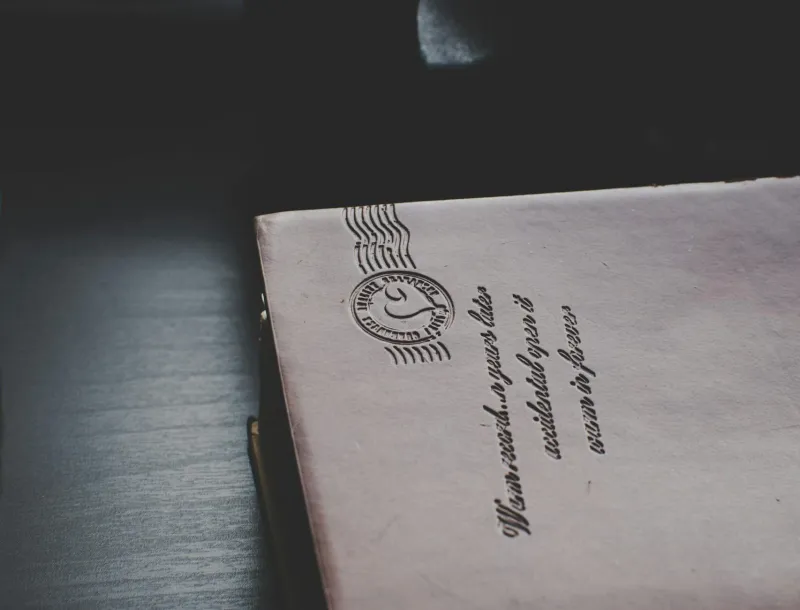
The Magic of the Mailbox
Imagine rushing to your mailbox every afternoon, heart pounding with anticipation. Not for bills or packages, but for a handwritten letter from someone thousands of miles away who knew your dreams, fears, and favorite ice cream flavor better than most people in your own town.
This was the reality for millions of Americans from the 1950s through the 1990s. Pen pal relationships weren't just a childhood hobby—they were genuine friendships that often lasted decades, built entirely on the foundation of carefully crafted letters that could take two weeks to cross an ocean.
Today, we can video chat with someone on the other side of the planet in seconds. Yet somehow, we've never quite replicated the depth of connection that came from waiting three weeks for a response to a question that kept you awake at night.
When Schools Taught the Art of Global Friendship
American classrooms once buzzed with pen pal programs that connected students with peers in Japan, England, Australia, and dozens of other countries. Teachers would spend weeks helping students craft their first letters, emphasizing proper grammar, cultural sensitivity, and the importance of asking thoughtful questions.
These weren't casual exchanges. Students would spend hours writing and rewriting their letters, choosing their words carefully because they knew their pen pal would read and reread every sentence multiple times. The physical act of writing by hand forced a deliberate pace that naturally led to deeper, more meaningful communication.
Many programs lasted entire school years, with students eagerly sharing details about American holidays, local customs, and daily life while learning about completely different cultures in return. Some friendships extended far beyond graduation, with former pen pals attending each other's weddings or meeting in person decades later.
The Magazine Connection That Changed Lives
Adult pen pal culture thrived through magazines like "Pen Pal World" and classified sections in publications ranging from "Popular Mechanics" to "Good Housekeeping." These tiny advertisements—"American teacher, 28, seeks correspondence with like-minded individuals worldwide"—opened doors to friendships that often proved more meaningful than many face-to-face relationships.
The process was beautifully inefficient. You'd send a letter to a magazine's post office box, which would forward it to your potential pen pal. If they responded, you might wait six to eight weeks for that first reply. This natural filter meant that only genuinely interested people participated, creating a self-selecting community of individuals who valued thoughtful communication.
The Lost Art of Anticipation
Perhaps the most profound difference between pen pal culture and modern communication was the role of anticipation. Waiting for a letter created a unique emotional experience that's almost impossible to replicate in our instant-gratification world.
Pen pal enthusiasts describe the physical sensation of recognizing familiar handwriting on an envelope, the careful ritual of opening a letter, and the joy of discovering that their friend had included photographs, pressed flowers, or small cultural artifacts. These tangible elements created multi-sensory experiences that made distant friendships feel surprisingly intimate.
The delay between question and answer also fostered a different quality of conversation. Without the ability to clarify immediately, letter writers became more thoughtful about expressing themselves clearly. They learned to anticipate questions and provide context, creating rich, detailed narratives about their lives that painted vivid pictures for their distant friends.
What the Digital Revolution Swept Away
When email emerged in the 1990s, it seemed like pen pal culture would simply migrate online. Early internet forums and email exchanges did maintain some of the thoughtful, deliberate quality of traditional letter writing. But as communication technology accelerated, something fundamental changed.
Text messages, instant messaging, and social media created an expectation of immediate response that fundamentally altered how we communicate. The careful consideration that once went into a letter—knowing you might wait weeks for a reply—gave way to rapid-fire exchanges that prioritize speed over substance.
Modern digital communication excels at sharing information quickly, but it struggles to replicate the emotional investment that came from spending an entire evening crafting a single letter. The physical act of handwriting, the selection of special stationery, and the trip to the post office all contributed to making each letter feel like a small gift.
The Friendship That Geography Couldn't Touch
What made pen pal relationships special wasn't just their international scope—it was their foundation in pure communication. Without physical presence, shared activities, or mutual friends, these friendships existed entirely in the realm of ideas, dreams, and emotional connection.
Many pen pals never met in person, yet they maintained friendships that lasted decades. They celebrated each other's graduations, marriages, and career achievements through letters that crossed continents. Some relationships survived political upheavals, wars, and dramatic life changes simply because both people valued the connection enough to keep writing.
The Speed We Gained, The Depth We Lost
Today's communication technology has given us unprecedented access to people around the world. We can learn about different cultures through social media, connect with like-minded individuals through online communities, and maintain relationships across vast distances through video calls.
Yet something irreplaceable was lost when we traded the anticipation of a weekly letter for the instant gratification of a text message. The pen pal era taught us that meaningful relationships could develop slowly, that distance could deepen rather than diminish connection, and that the most profound conversations often happened when we had time to truly think about what we wanted to say.
In our rush to connect with everyone instantly, we may have forgotten how to connect with anyone deeply. The letter that once made your heart skip a beat has been replaced by notifications that barely register. We gained the world at our fingertips, but lost the art of friendship that could cross continents one carefully chosen word at a time.