The Two-Dollar Birthday: How America's Sweetest Celebrations Became Thousand-Dollar Productions
When Birthday Magic Cost Pocket Change
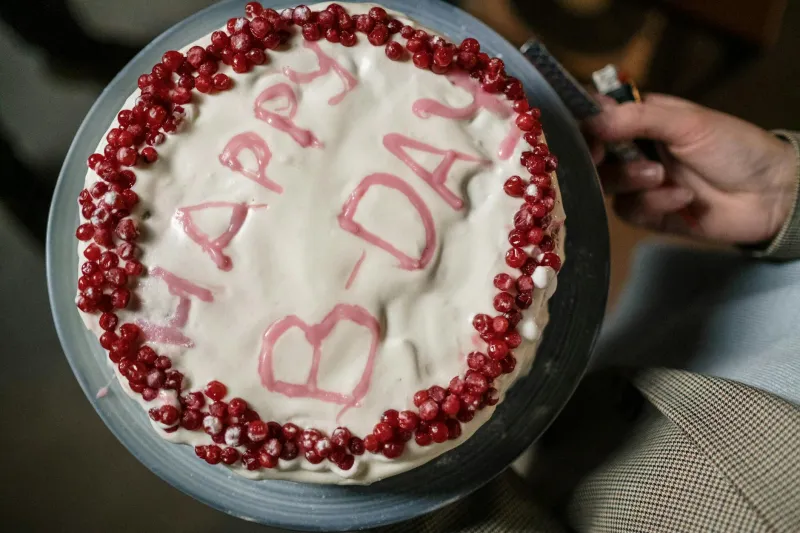
In 1965, Mary Thompson pulled out her well-worn recipe box, cracked three eggs into a bowl, and began what would become her daughter's most treasured childhood memory. The ingredients for that chocolate birthday cake — flour, sugar, cocoa, butter, and eggs — cost her exactly $1.47. The decorations? Colored icing she mixed herself, candles from the five-and-dime, and paper streamers that had been carefully folded away from last year's celebration.
Total party cost: $3.25.
Today, that same celebration would require a minimum investment of $400, according to recent surveys of American parents. But the real difference isn't just in the dollars — it's in what we've traded away in our pursuit of the perfect party.
The Rise of the Birthday Industry
Somewhere between then and now, children's birthdays evolved from intimate family gatherings into elaborate productions that rival wedding planning. The shift began in the 1980s when Chuck E. Cheese and McDonald's started marketing birthday packages, introducing the concept that a "real" party required a venue, entertainment, and professional coordination.
By the 2000s, Pinterest and Instagram transformed birthday parties into performance art. Parents began competing not just with neighbors, but with an endless stream of professionally photographed celebrations featuring custom backdrops, themed dessert tables, and coordinated party favors that cost more than entire parties once did.
Today's average American child's birthday party includes:
- Venue rental: $150-300
- Custom cake from a bakery: $75-150
- Professional entertainment: $200-400
- Themed decorations: $100-200
- Party favors: $50-100
- Photography: $150-300
The total easily reaches $800-1,200 for what was once accomplished with a homemade cake and backyard games.
What We Gained and Lost
Modern birthday celebrations offer undeniable advantages. Professional entertainers create experiences that amateur parents simply cannot match. Custom cakes showcase artistic skills that would have been impossible in most home kitchens. Themed parties create Instagram-worthy moments that preserve memories in high-definition detail.
But ask adults about their most treasured childhood birthday memories, and they rarely mention the expensive elements. Instead, they remember the anticipation of watching mom ice the cake, the pride of blowing out candles surrounded by family, or the simple joy of friends gathered in a living room for pin-the-tail-on-the-donkey.
The Economics of Childhood Joy
The financial burden of modern birthday expectations has created genuine stress for American families. A 2023 survey found that 47% of parents have gone into debt to fund their children's birthday parties, and 62% report feeling pressured to spend beyond their means to meet social expectations.
This pressure reflects broader changes in American parenting culture. Where previous generations focused on teaching children to appreciate simple pleasures, today's parents often feel obligated to provide experiences that match or exceed what they see on social media.
The Lost Art of Homemade Celebrations
The shift away from homemade parties represents more than just changing consumer habits — it reflects the loss of valuable life skills and family traditions. When mothers baked birthday cakes from scratch, children learned by watching. They absorbed lessons about planning, patience, and the satisfaction of creating something with their own hands.
Today's outsourced celebrations, while impressive, remove children from the creative process. They become passive recipients of experiences rather than active participants in their own celebrations.
The Intimacy Factor
Perhaps most significantly, the scale of modern birthday parties has fundamentally changed their emotional character. A homemade celebration naturally centered on family relationships and close friendships. When the guest list was limited by living room capacity and the entertainment was games everyone could play together, parties fostered genuine connection.
Today's venue-based parties often accommodate larger groups but paradoxically feel less personal. Children may remember the bounce house or the elaborate cake, but they're less likely to remember meaningful conversations or the feeling of being truly celebrated by people who love them.
Finding Balance in Modern Celebrations
Some American families are pushing back against the birthday arms race, choosing to blend old and new traditions. They might bake a homemade cake but hire a face painter, or host the party at home but invest in one special experience.
These families recognize that the most meaningful celebrations aren't necessarily the most expensive ones. They're the ones that reflect genuine love, create lasting memories, and teach children that their worth isn't measured by the dollar amount spent on their special day.
The True Cost of Growing Up
The evolution of American birthday parties mirrors broader changes in how we value childhood experiences. We've gained access to incredible resources and creative possibilities, but we've also created new pressures and expectations that can overshadow the simple joy of marking another year of life.
As we consider what we've traded away in pursuit of the perfect party, perhaps it's worth remembering that the most precious gift we can give a child isn't an elaborate celebration — it's the message that they're loved, valued, and worth celebrating, regardless of the price tag.