When American Workers Actually Stopped Working: The Death of the Real Lunch Hour
The Hour That Defined American Work Culture
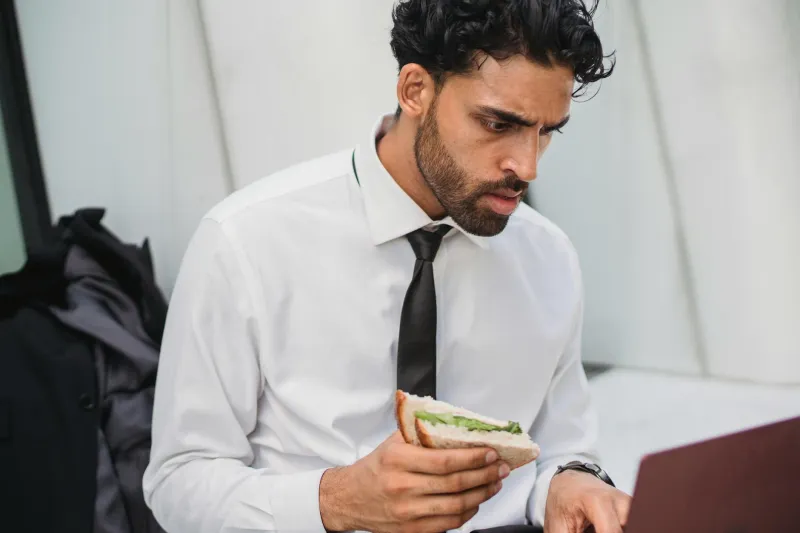
Walk into any office building at 12:30 PM today, and you'll find a peculiar sight: workers hunched over keyboards, scarfing down sandwiches between emails, or skipping lunch altogether to squeeze in one more meeting. This scene would have been shocking to American workers just a few decades ago, when the lunch hour wasn't just a suggestion—it was sacred.
From the 1950s through the 1980s, the American lunch break was an institution as reliable as the morning commute. At noon sharp, typewriters fell silent, phones went unanswered, and workers filed out of office buildings across the country. They weren't just grabbing a quick bite; they were participating in a daily ritual that defined the rhythm of American work life.
When Lunch Meant Leaving Your Desk
The traditional American lunch hour was exactly that—a full hour. Workers didn't eat at their desks because, frankly, there wasn't much to eat at. No microwaves hummed in break rooms, no delivery apps pinged on smartphones, and certainly no one expected you to answer emails while chewing.
Instead, workers headed to company cafeterias, nearby diners, or local restaurants where they sat down, ordered from waitresses, and actually talked to their colleagues about something other than quarterly reports. Many brought brown-bag lunches but still left their workstations, gathering in designated lunch rooms or even heading outside to eat on park benches.
The lunch hour served multiple purposes beyond simple nutrition. It was a social lubricant for office relationships, a mental reset button, and often the only time during the workday when hierarchy temporarily dissolved. Executives and secretaries might find themselves sharing a table at the local diner, discussing everything from weekend plans to current events.
The Economics of Taking Time
What made this possible wasn't just cultural expectation—it was economic reality. In 1970, the average American worker was significantly more productive per hour than their predecessors, yet they worked fewer hours and took longer breaks. Companies could afford to give workers a genuine lunch hour because the post-war economic boom had created a business environment where efficiency mattered more than face time.
Moreover, most families operated on a single income, which meant less financial pressure on individual workers to maximize every billable minute. The idea that skipping lunch might impress your boss or advance your career was largely foreign to the American workplace of the 1960s and 1970s.
The Slow Disappearance of Downtime
The erosion of the lunch hour didn't happen overnight. It began in the 1980s as corporate culture shifted toward measuring success by hours worked rather than results achieved. The rise of Japanese business practices, with their emphasis on dedication and sacrifice, began influencing American workplaces.
By the 1990s, the "working lunch" had become a badge of honor rather than an emergency measure. Suddenly, eating a sandwich while reviewing spreadsheets was seen as efficient, not tragic. The dot-com boom of the late 1990s accelerated this trend, with startup culture celebrating the all-nighters and desk meals that previous generations of workers would have considered signs of poor management.
Today's Lunch: Fast, Isolated, and Optional
Modern American workers average just 20 minutes for lunch, and nearly 70% regularly eat at their desks. The communal aspect has virtually disappeared—replaced by individual decisions about whether to order DoorDash, grab something from a vending machine, or skip eating entirely.
The smartphone has been the final nail in the coffin of the traditional lunch break. Even when modern workers do step away from their desks, they're often scrolling through social media, checking work emails, or taking calls. The mental break that defined the old lunch hour has been replaced by a different kind of stimulation.
What We Lost When We Lost Lunch
The disappearance of the real lunch hour represents more than just a scheduling change—it reflects a fundamental shift in how Americans view work and life balance. Research shows that workers who take proper lunch breaks are more creative, less stressed, and actually more productive in the afternoon than those who work through lunch.
We've also lost an important social institution. The shared lunch hour created informal networks within companies, helped new employees integrate into office culture, and provided a daily reminder that work was just one part of life, not the entirety of it.
Perhaps most significantly, we've normalized the idea that being constantly available and perpetually busy are virtues rather than signs of an unbalanced life. The generation that fought for the 40-hour work week and union lunch breaks would be mystified by today's celebration of the "side hustle" and the "lunch is for closers" mentality.
The Return of the Real Break?
Interestingly, some forward-thinking companies are rediscovering the value of genuine downtime. Tech companies famous for their campus amenities are encouraging employees to take real breaks, and some European-style lunch policies are creeping into American workplaces.
But for most American workers, the idea of a full hour away from work responsibilities seems as quaint as carbon paper or rotary phones. We've traded the lunch hour for the illusion of productivity, and we're still figuring out whether that bargain was worth it.