When a Week at the Beach Cost Less Than Your Phone Bill: How American Families Lost Their Summer Getaways
The $200 Family Vacation That Changed Everything
In the summer of 1982, the Johnson family from Toledo, Ohio, packed their wood-paneled station wagon and headed to Myrtle Beach for their annual week-long vacation. The total cost? Around $350 for everything — gas, motel, meals, and mini golf for four kids. That's roughly $1,100 in today's money, or what many families now spend on a single weekend getaway.
Back then, the American family vacation wasn't a luxury — it was as routine as back-to-school shopping. Every summer, millions of families hit the road with coolers full of sandwiches, heading to destinations that didn't require months of saving or going into debt.
When Motels Were Made for Families, Not Instagram
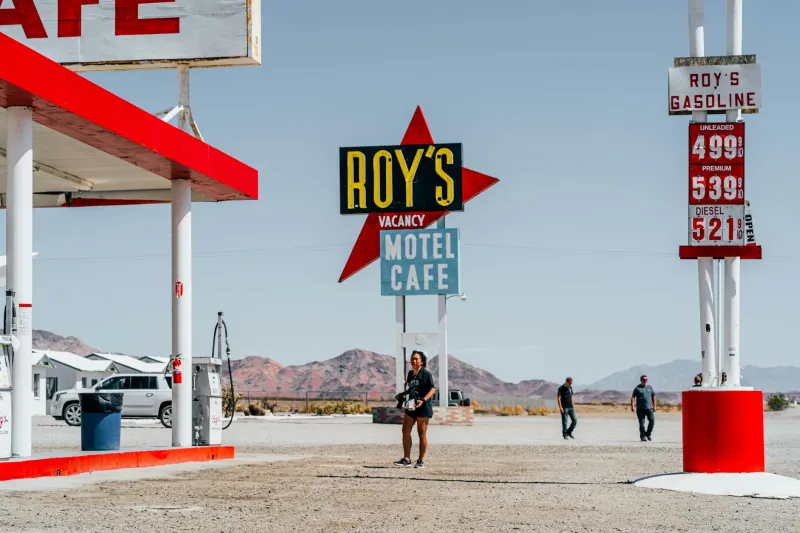
The roadside motels of the 1970s and 1980s weren't glamorous, but they weren't trying to be. A clean room with two double beds, a functioning air conditioner, and a pool shaped like a kidney — that was paradise for kids and perfectly adequate for parents paying $25 a night.
These establishments understood their mission: provide a safe, clean place to sleep without breaking the bank. The Howard Johnson's, Holiday Inns, and countless independent motels dotting America's highways offered consistent quality at prices that made sense for working families. Many included breakfast, and kids under 12 stayed free.
Today's equivalent? A Hampton Inn or similar mid-tier hotel averages $150-200 per night, and that's before resort fees, parking charges, and WiFi costs that didn't exist in the analog age. What once cost a day's wages now requires a week's salary.
The $20 Tank of Gas That Could Take You Anywhere
Perhaps nothing illustrates the transformation more clearly than the cost of getting there. In 1980, gas averaged 86 cents per gallon. A family could fill up their full-size station wagon for under $15 and drive 400 miles on that tank.
The math was simple: a 1,000-mile road trip to Florida cost about $40 in gas. Today, that same journey runs closer to $200 in fuel costs alone, assuming you're driving a fuel-efficient car rather than the spacious family vehicles that were standard then.
But it wasn't just about the money — it was about the freedom. Cheap gas meant spontaneous detours, scenic routes, and the luxury of getting lost without calculating the financial impact of every extra mile.
When Eating Out Was Part of the Adventure, Not the Budget
Family restaurants in vacation destinations understood their audience. Places like Denny's, Big Boy, and countless local diners offered hearty meals at prices that didn't require a family conference before ordering. A full breakfast for four might cost $12, and dinner rarely exceeded $25.
These weren't gourmet experiences, but they were reliable and affordable. Kids could order what they wanted without parents mentally calculating whether they could afford dessert. The focus was on filling hungry bellies after a day at the beach or hiking, not on creating shareable food moments.
Compare that to today's vacation dining, where even casual restaurants in tourist areas charge $15-20 for basic entrees, and a family meal easily hits $80-100 before tip.
The Pressure-Free Vacation
Maybe the biggest difference wasn't financial — it was psychological. The family vacations of the 1970s and 1980s existed in a bubble, free from the pressure to document every moment or compete with others' experiences.
There were no social media feeds to curate, no reviews to write, no photos to edit and share. Families simply existed in those moments — kids building sandcastles while parents read paperback novels, everyone gathering around a picnic table for lunch from the cooler.
The vacation wasn't a performance or an investment in memories; it was just life, temporarily relocated to somewhere more fun.
What We Lost When Vacations Became Luxury Items
Today's family vacation requires strategic planning that would make a military operation jealous. Parents research for months, comparing prices across dozens of websites, calculating the optimal booking windows, and often going into debt for experiences that previous generations took for granted.
The average American family vacation now costs over $4,500, according to recent surveys. That's more than many families have in their emergency funds, turning what was once a simple pleasure into a source of financial stress.
The Ripple Effect of Unaffordable Adventures
When family vacations become luxury items, we lose more than just individual experiences. We lose the shared cultural touchstones that once united American childhoods — the roadside attractions, the motel pools, the car games played during long drives.
A generation of children is growing up without the formative experience of the family road trip, that unique combination of boredom and adventure that taught patience, flexibility, and the simple pleasure of being together without agenda.
The American family vacation wasn't just about the destination — it was about the possibility that adventure could be affordable, that creating memories didn't require choosing between vacation and financial security. In losing that accessibility, we've lost something fundamental about what it means to be a middle-class family in America.
Perhaps the real question isn't whether we can afford to take family vacations anymore, but whether we can afford not to find a way back to that simpler model of shared adventure.