Wonderland on Main Street: When Toy Shopping Was America's Greatest Childhood Adventure
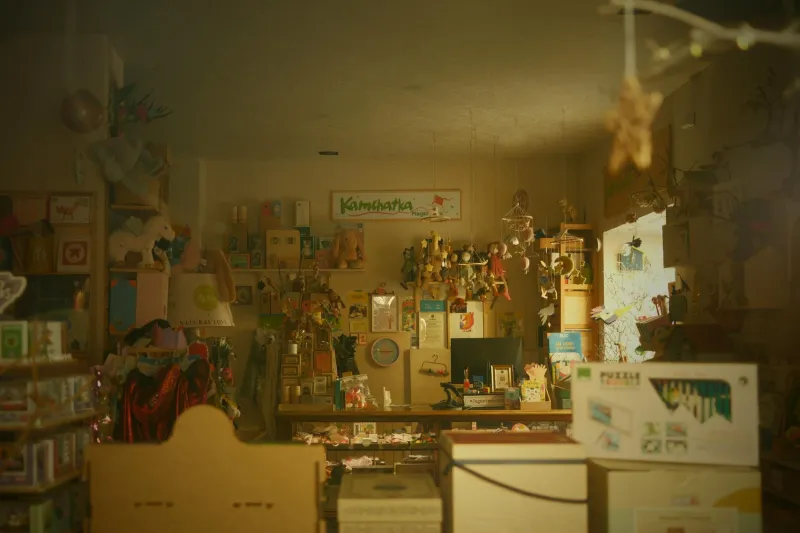
The Cathedral of Childhood Dreams
Walk into any major toy store in 1985, and you'd witness something remarkable: children moving through aisles like explorers discovering new continents. These weren't quick stops between errands. They were pilgrimages.
Toys "R" Us alone covered 45,000 square feet in most locations—bigger than many grocery stores today. But size wasn't what made these places magical. It was the ritual. Parents would set aside entire Saturday afternoons, knowing full well they'd spend two hours watching their kids examine every action figure, test every toy car, and debate the merits of different board games.
"I don't want to grow up, I'm a Toys 'R' Us kid," went the famous jingle. But the real magic wasn't in the marketing—it was in the experience of being surrounded by possibility.
The Lost Art of Toy Discovery
In 1980, the average American child visited a toy store 8-10 times per year, according to industry data. Each visit lasted an average of 47 minutes. Compare that to today's online shopping behavior: the average toy purchase on Amazon takes less than 3 minutes from search to checkout.
What happened in those 47 minutes? Discovery. A child might arrive wanting a specific Transformer, but leave with a completely different toy they'd never heard of until they saw it on the shelf. Store employees—often teenagers themselves—became unofficial toy consultants, demonstrating how things worked and sharing which items were flying off the shelves.
Display models sat on lower shelves specifically so kids could touch, test, and experience products before purchase. The sound of a dozen different electronic toys created a symphony of childhood possibility. Walking through the action figure aisle meant seeing hundreds of characters lined up like a superhero army recruitment center.
When Choosing Meant Something
Perhaps most importantly, the old toy store model made choosing a deliberate act. With limited budgets and special occasion purchases, kids learned to weigh options carefully. They'd return to the same toy multiple times during a single visit, picking it up, putting it back, comparing it to alternatives.
"Which one do you really want?" became one of childhood's most important questions. The answer required genuine consideration—not just adding items to a cart.
This process taught patience, decision-making, and the value of anticipation. When you finally walked out with that chosen toy, you'd already invested emotional energy in the selection. The toy felt earned, not just delivered.
The Convenience Revolution
Today's toy shopping happens differently. Amazon offers over 2 million toys with same-day delivery in many cities. Parents can purchase gifts while commuting to work. Kids can watch YouTube unboxing videos to see exactly how toys work before they arrive.
The numbers tell the story of this transformation. In 2022, online toy sales reached $8.2 billion, representing 15% of all toy purchases. That percentage grows annually as physical toy stores continue closing. Toys "R" Us, which once operated 800 U.S. locations, filed for bankruptcy in 2017.
For busy parents, this shift offers undeniable benefits. No more dragging tired kids through crowded stores. No more negotiations in public aisles. No more impulse purchases triggered by strategic product placement.
What the Brown Box Can't Deliver
But something intangible disappeared when toy shopping moved online. The shared experience between parent and child. The excitement of entering a space designed entirely for young imaginations. The social aspect of seeing other families navigate the same choices.
Modern kids receive toys in Amazon boxes, but they miss the context that made those toys special. They don't see the full universe of alternatives. They don't experience the anticipation of a special trip to a special place.
Industry research shows that children today receive 40% more toys annually than kids in the 1980s, but play with each individual toy for significantly less time. When everything is instantly available, nothing feels particularly precious.
The Neighborhood That Toys Built
The old toy store model also supported local economies differently. Major chains like Toys "R" Us employed 64,000 Americans at their peak. Independent toy stores provided gathering places where parents met other parents, where kids made friends over shared interests in specific toy lines.
These stores anchored shopping centers and downtown districts. Their seasonal hiring provided first jobs for teenagers. Their expertise helped parents navigate an increasingly complex toy market.
When we gained convenience, we lost community.
Beyond Nostalgia
This isn't simply about missing the "good old days." It's about recognizing what we traded away for efficiency. The modern toy buying experience optimizes for speed and selection, but it can't replicate the wonder of discovery or the satisfaction of careful choosing.
Some independent toy stores still operate, offering curated selections and hands-on experiences. Parents seeking alternatives to screen-based entertainment increasingly value these spaces. But they represent a tiny fraction of the toy retail landscape that once defined American childhoods.
The next time you click "add to cart" on a toy purchase, remember what that simple action replaced: an afternoon adventure, a lesson in decision-making, and a memory that lasted long after the toy itself was forgotten. Progress isn't always about what we gain—sometimes it's about understanding what we chose to leave behind.