Fresh Eggs and Familiar Faces: America's Lost Network of Neighborhood Commerce
The 5 AM Symphony of American Neighborhoods
Before sunrise in 1955 America, neighborhoods came alive with the gentle symphony of commerce. Glass bottles clinked softly as the milkman made his rounds, the bread truck's engine hummed a familiar tune three blocks away, and the dry cleaner's van turned the corner right on schedule. These weren't random deliveries—they were the circulatory system of American community life, pumping fresh goods and human connection through every street.
Frank the milkman didn't just deliver dairy products to the Morrison family on Elm Street. He knew that Mrs. Morrison was diabetic and preferred the smaller bottles, that little Tommy was lactose intolerant but loved chocolate milk on Fridays as a special treat, and that during Mr. Morrison's business trips, she'd leave a note asking for an extra quart because her sister would be visiting with the grandkids.
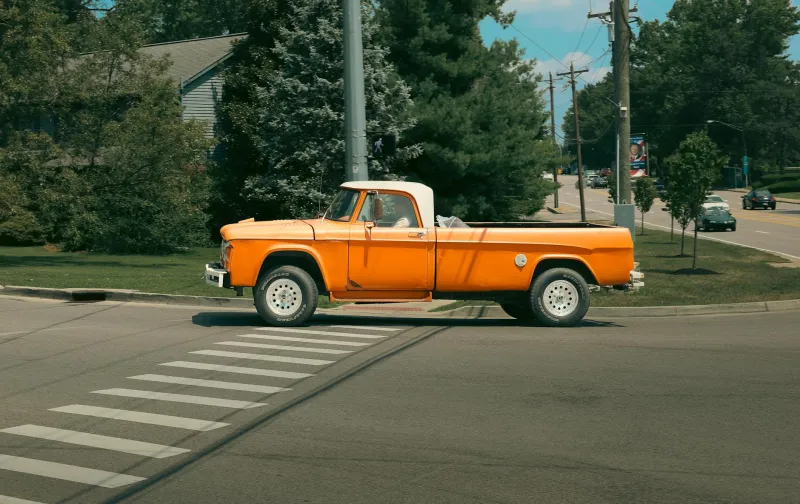
 Photo: Elm Street, via storage0.dms.mpinteractiv.ro
This wasn't exceptional service—it was standard. Across America, a network of route-runners created an intimate supply chain that operated on personal knowledge rather than data analytics.
The Route-Runner Economy
The scale of this system would astonish modern Americans. In major cities, milk routes served thousands of families daily. The bread man, ice delivery, fresh produce vendors, and even mobile libraries followed established patterns that residents could set their clocks by. Chicago alone had over 3,000 milk routes in 1950, each serving roughly 200-300 families.
These delivery people weren't just vendors—they were neighborhood fixtures who provided services that went far beyond their official job descriptions. The milkman might notice that newspapers were piling up and alert neighbors about an elderly resident who might need help. The bread delivery driver often carried messages between houses before everyone had phones. During emergencies, these route-runners became informal communication networks that could spread news faster than radio.
The economics made perfect sense for families. Home delivery wasn't a luxury service—it was often cheaper than shopping at stores. Milk companies, bakeries, and other suppliers could operate with lower overhead by eliminating retail storefronts and instead investing in efficient route systems. Customers paid competitive prices while enjoying the convenience of never running out of essentials.
The Personal Touch That Algorithms Can't Replicate
What made this system remarkable wasn't the efficiency—it was the intelligence built into human relationships. Your milkman knew that you'd need extra eggs before Easter, that your family went through more bread during school months, and that you'd want to try new products before committing to regular deliveries.
This knowledge accumulated over years of service. When the Hendersons' teenage son went off to college, their dairy order automatically adjusted. When the Patels moved in next door, the milkman would introduce himself with sample products and gradually learn their preferences. Product recalls were handled through personal notification—your delivery person would explain the issue face-to-face rather than hoping you'd see a notice buried in your email.
The system even handled special requests with remarkable flexibility. Need milk delivered early because you're leaving for vacation? No problem. Want to skip delivery next week because relatives are visiting and bringing groceries? Just leave a note. Forgot to pay this week? The route-runner would extend credit based on years of relationship history.
The Digital Revolution That Changed Everything
Today's delivery economy operates on fundamentally different principles. Instead of familiar faces who know your story, we interact with apps that track our purchasing patterns through algorithms. Modern delivery drivers follow GPS instructions to addresses they've never seen before, dropping packages for customers they'll likely never meet again.
The scale is impressive: companies like Amazon can deliver millions of packages daily with remarkable efficiency. But this efficiency comes at the cost of human connection. Your delivery driver doesn't know that you prefer morning deliveries because you work nights, or that your dog is friendly despite the barking, or that packages should be placed behind the planter to avoid theft.
Modern delivery services excel at speed and selection but struggle with the nuanced service that characterized the old route-runner system. Try explaining to an app that you want organic milk on weekdays but regular milk on weekends because that's when the grandkids visit. The technology that enables same-day delivery can't replicate the relationship-based flexibility that once made neighborhood commerce feel almost telepathic.
What Community Lost When Routes Disappeared
The decline of route-based delivery wasn't just about changing business models—it represented the severing of daily human connections that helped neighborhoods function as communities. The milkman served as an informal neighborhood watch, the bread delivery person was often the first to notice when elderly residents needed help, and route-runners provided social interaction for people who might otherwise go days without meaningful human contact.
This network also supported local economies in ways that modern delivery doesn't. Route-runners were typically local employees of local or regional companies. The money spent on milk delivery stayed in the community, supporting local jobs and local businesses. Today's delivery economy often funnels money to distant corporate headquarters while local drivers work as independent contractors without benefits or job security.
The environmental impact was also dramatically different. Instead of individual car trips to grocery stores, one route-runner could efficiently serve hundreds of families. Glass bottles were returned, cleaned, and reused indefinitely. The carbon footprint of neighborhood commerce was minimal compared to today's system of individual shopping trips and single-use packaging.
The Price of Convenience Without Connection
Modern delivery offers undeniable advantages: vast selection, competitive pricing, 24/7 availability. We can order specialty items from around the world and have them delivered within hours. But in optimizing for speed and selection, we've eliminated the human element that once made commerce feel personal and communities feel connected.
The route-runner economy wasn't perfect—it was limited in selection and required customers to adapt to delivery schedules rather than demanding instant gratification. But it created a daily rhythm of human interaction that helped neighborhoods feel like neighborhoods rather than collections of individual consumers.
When we lost the milkman, we gained efficiency but lost something harder to quantify: the comfort of familiar faces, the security of predictable service, and the community connections that turned commercial transactions into social bonds. In our rush toward frictionless convenience, we may have engineered out more than we realized.