The Couch That Outlived the Mortgage: When Buying Furniture Was a Once-in-a-Generation Decision
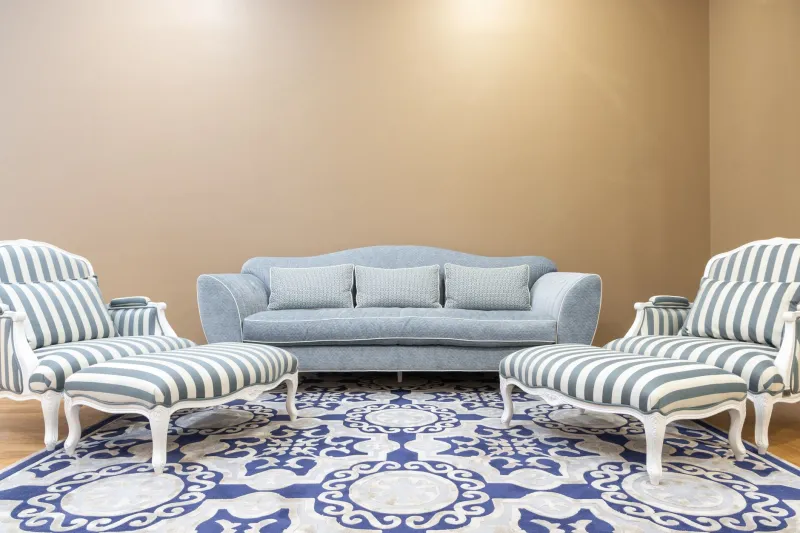
Somewhere in a lot of American homes in the 1950s and '60s, there was a living room set that nobody was allowed to sit on. Plastic-covered cushions, carefully vacuumed, positioned just so. It wasn't for daily use. It was the good furniture — bought once, maintained religiously, and expected to be in the family long enough that the grandchildren would argue over who got it.
That relationship with furniture — and with major household goods in general — was fundamentally different from the one most Americans have today. It wasn't just about money, though money was certainly part of it. It was about an entire worldview: that quality was worth paying for, that ownership was a long-term commitment, and that replacing something before it broke was wasteful to the point of being embarrassing.
That worldview has been almost completely dismantled. And it happened faster than most people realize.
The Purchase That Took Months to Make
In mid-century America, buying a sofa or a refrigerator wasn't a weekend errand. It was a project. Couples would visit multiple stores, consult with salespeople who actually knew the products, feel the fabric, test the springs, ask about the frame construction. They'd go home, think about it, and go back. They might spend weeks making the decision.
This wasn't because people had more time on their hands. It was because the purchase mattered. A quality sofa in 1955 might cost the equivalent of several weeks' wages. A refrigerator was a serious household investment. You didn't make that call lightly, and you certainly didn't make it because you'd seen something on sale and liked the color.
The expectation going in was longevity. Furniture was built with hardwood frames, eight-way hand-tied springs, and upholstery that could be reupholstered when it wore out — not thrown away and replaced. Appliances were designed with serviceable parts, and the local repair shop was a real business that people actually used. The goal was to buy once and maintain.
When IKEA Changed the Conversation
The shift didn't happen overnight, but the arrival and expansion of flat-pack, affordable furniture retail in the 1980s and '90s began changing American expectations around furniture in a meaningful way. Suddenly, a living room set didn't have to be a decade-long commitment. It could be a five-year plan. Or a two-year plan. Or something you bought for an apartment and replaced when you moved.
This wasn't entirely bad. Affordable furniture made it possible for people with limited budgets to furnish homes decently. That's a genuine improvement. But it also introduced a new logic to the market: furniture as a disposable or near-disposable category. Something you use until it bores you, not until it breaks.
By the 2000s, the trend had accelerated into something more extreme. Fast furniture — built to a price point rather than a lifespan — became the norm rather than the exception. Online retail made it even easier to impulse-buy a new bookshelf or a replacement dining table without leaving the house. And social media, particularly Pinterest and later Instagram, created a constant visual feed of home design trends that made last year's perfectly functional furniture feel somehow outdated.
The Real Cost of Cheap
Here's where the finance angle gets interesting. On the surface, buying a $300 sofa instead of a $1,500 sofa looks like smart budgeting. But if the $300 sofa needs replacing every four years and the $1,500 sofa would have lasted thirty, the math tells a different story.
A 2019 study by the furniture industry trade group AHFA estimated that Americans replace sofas on average every seven to eight years. For many households buying at the lower end of the market, that cycle is even shorter. Over a thirty-year period, the budget buyer might spend more in total than the person who made one careful, expensive purchase at the start.
This is what economists sometimes call the poverty premium — the paradox where buying cheaper things more often ends up costing more than buying quality things less often. It's not a new idea, but it's one that's been almost entirely erased from mainstream American consumer culture.
And that's before you factor in the environmental cost. The EPA estimates that Americans throw away around 12 million tons of furniture annually. Most of it ends up in landfills. The particleboard and laminate surfaces that make up the bulk of fast furniture don't biodegrade meaningfully and can't be repurposed or repaired the way solid wood can.
Owning vs. Collecting
There's a psychological shift underneath all of this that's worth naming. The mid-century American approach to furniture was rooted in ownership — the idea that you acquire something, it becomes part of your home and your life, and you care for it over time. The relationship between person and object was long and specific. That couch in the plastic cover wasn't just furniture. It was a decision, a commitment, a piece of the household identity.
Today's relationship with furniture is closer to curation. You assemble a look, update it when the look changes, and move on. The object is a prop in a lifestyle rather than a possession with a history. This isn't inherently wrong — tastes change, circumstances change, and there's nothing shameful about wanting your home to reflect who you are right now. But it does represent a complete reversal of the values that once defined how Americans bought things.
What It Says About Us
The furniture story isn't really about furniture. It's about a broader shift in American consumer culture from durability to disposability, from investment to trend, from ownership to subscription. The same pattern shows up in clothing, in electronics, in cars.
The generation that came of age during the Depression and World War II bought things to last because they had to, and because the culture told them that waste was a moral failure. The generations that followed inherited prosperity and, eventually, a consumer economy built on the premise that newer is better and replacement is normal.
Your grandparents' couch lasted forty years because it was built to, because they took care of it, and because replacing it before it was broken would have felt wrong. That feeling — that quiet, stubborn conviction that good things deserved to be kept — turns out to have been doing a lot of practical and financial work that we're still figuring out how to replace.