Pickup Games and Price Tags: How America's Kids Got Priced Out of Playing
The $20,000 Swing
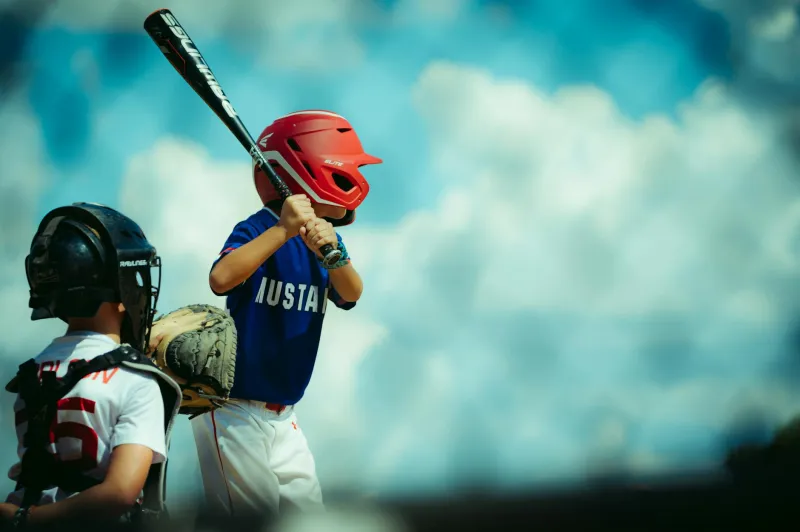
Twelve-year-old Jake Morrison practices baseball six days a week. His parents drive him to hitting lessons ($75 per session), pitching coaches ($100 per hour), and strength training ($150 per month). His travel team requires tournament fees ($300 per weekend), hotel stays, and specialized equipment that gets replaced every season. By the time Jake reaches high school, his family will have spent more on baseball than many Americans spend on a new car.
Forty years ago, Jake's father learned baseball the same way most kids did: by showing up at the neighborhood diamond after school and playing until the streetlights came on. The only cost was a glove passed down from an older brother and maybe a contribution toward a new ball when the old one finally split at the seams.
When Sports Were Free
In 1980, youth sports operated on a fundamentally different model. Kids organized their own games, created their own rules, and solved their own disputes. The local park district might sponsor a few leagues, but the real action happened in pickup games that required nothing more than enough kids to field two teams.
These informal games taught lessons that no structured program could replicate. Kids learned to negotiate, compromise, and self-regulate. They figured out how to include the younger kid who desperately wanted to play, how to balance teams when skill levels varied wildly, and how to keep playing when disagreements arose.
Most importantly, sports were accessible to every kid regardless of family income. The barrier to entry was having two legs and the willingness to show up. Equipment was shared, borrowed, or improvised. Bases were backpacks or old T-shirts. Goals were trees or garage doors. The field was wherever space could be found.
The Rise of the Youth Sports Industrial Complex
Somewhere in the 1990s, youth sports transformed from a childhood activity into an industry. Parents began to believe that organized, professional instruction was necessary for their children to compete. The rise of travel teams, showcase tournaments, and specialized coaching created a new ecosystem where playing for fun became playing for scholarships.
The numbers tell a stark story. According to the Aspen Institute, families now spend an average of $693 per year per child on sports. But for serious athletes in competitive sports, costs can easily reach $10,000-$20,000 annually. Elite travel baseball teams can cost $5,000 per season before equipment, travel, and additional training. Hockey families routinely spend $15,000 per year on ice time, coaching, and equipment.
 Photo: Aspen Institute, via i.dailymail.co.uk
Compare that to 1980, when a Little League registration fee might have cost $25, and a decent glove could last three seasons. The total annual investment for most families was under $100, even accounting for inflation.
The Professionalization of Childhood
Today's youth sports landscape mirrors professional athletics in ways that would have seemed absurd to previous generations. Eight-year-olds have personal trainers. Ten-year-olds specialize in single sports year-round. Twelve-year-olds travel across state lines for tournaments that determine national rankings.
This professionalization has created genuine benefits. Coaching quality has improved dramatically. Safety standards are higher. Training methods are more scientific. Kids who show exceptional talent have access to resources that can help them reach their full potential.
But it's also created a two-tiered system where access to quality youth sports increasingly depends on family wealth. The kid whose parents can afford private lessons, travel teams, and specialized camps has opportunities that the kid from a working-class family simply cannot access.
The Scholarship Myth
Much of this spending is driven by the belief that youth sports investment will pay for college through athletic scholarships. Parents justify enormous expenses by viewing them as educational investments. The reality is far different from the perception.
NCAA statistics show that only about 2% of high school athletes receive any athletic scholarship money, and most of those scholarships are partial rather than full rides. The average baseball scholarship, for instance, covers about 30% of college costs. Meanwhile, families often spend more on youth sports than they would save even with a full athletic scholarship.
The cruel irony is that the kids most likely to earn scholarships—those with exceptional natural talent—would probably succeed with or without the expensive infrastructure. Meanwhile, average athletes whose families sacrifice financially for elite programs rarely see returns on their investment.
What We Lost in the Transition
The shift from pickup games to organized leagues eliminated more than just the financial barriers. It fundamentally changed how children experience sports and competition.
In pickup games, kids played for the pure joy of playing. Winning mattered, but not as much as getting to participate. Games continued until everyone was tired, not until a predetermined time limit. Rules were flexible and could be adjusted to keep things fair and fun.
Today's organized sports prioritize winning, rankings, and advancement through competitive levels. Fun becomes secondary to performance. Kids who aren't exceptional athletes often find themselves sitting on benches or cut from teams entirely.
The social lessons have changed too. Instead of learning to organize themselves, kids now follow instructions from coaches. Instead of resolving conflicts through negotiation, they rely on referees. Instead of including everyone who wants to play, they accept that some kids don't make the team.
The Class Divide
Perhaps most troubling, youth sports has become a marker of socioeconomic status in ways that would have been unthinkable in previous generations. The kid wearing last year's cleats and carrying a hand-me-down glove is immediately identifiable as coming from a different economic bracket than teammates with the latest gear and private coaching.
This creates social stratification that extends beyond sports. Kids from wealthy families bond over shared experiences at expensive tournaments and training camps. They develop networks that can last lifetimes. Meanwhile, kids from working-class families are often excluded not just from elite teams, but from the social connections that youth sports increasingly provide.
Finding the Middle Ground
Some communities are recognizing the problem and working to address it. Programs like Positive Coaching Alliance promote developmentally appropriate sports experiences. Some leagues are implementing cost controls, equipment sharing programs, and need-based scholarships.
Youth sports will never return to the completely informal model of the past—nor should it entirely. Professional coaching, safety protocols, and organized leagues provide real value. But finding a balance between structure and accessibility, between excellence and inclusion, remains an ongoing challenge.
The Real Victory
The greatest tragedy of modern youth sports isn't the money families spend—it's the kids who never get to experience the simple joy of playing a game with friends. Every child priced out of organized sports is a reminder of what we lost when we decided that playing ball required a business plan.
The next time you see kids organizing their own game in a park or parking lot, take a moment to appreciate what you're witnessing. It's not just children at play—it's a glimpse of what American childhood used to offer every kid, regardless of their family's ability to pay for the privilege of participation.