The Dress That Lasted a Decade: How American Closets Became Landfills With Hangers
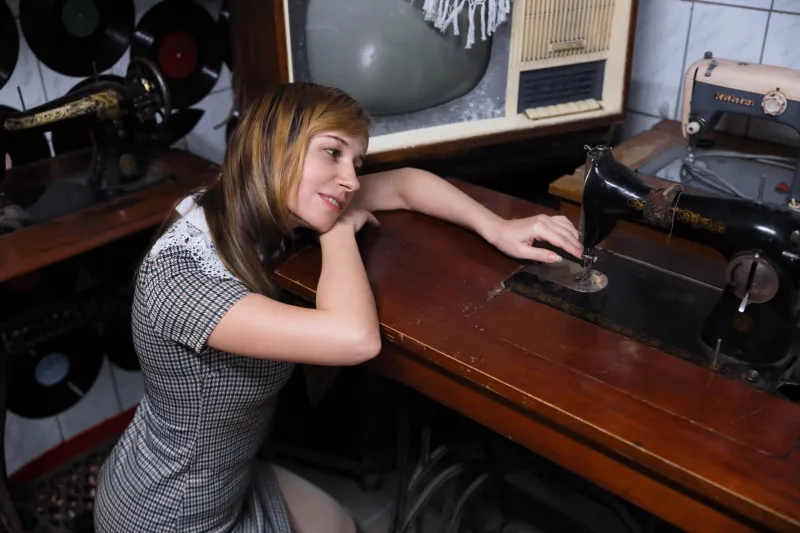
In 1965, the average American woman owned roughly nine outfits. Not nine items — nine complete outfits. She knew every piece in her closet by name, essentially. She knew which blouse went with which skirt, which dress was for church and which was for dinner. When something wore out, she mended it. When it couldn't be mended, she repurposed the fabric. When it was truly finished, she felt the loss of it.
Today, the average American buys around 65 new garments per year and throws away roughly 70 pounds of clothing and textiles annually. Most of those discarded items are less than a year old. Some have never been worn at all.
Something happened between then and now that goes well beyond changing tastes. An entire philosophy of ownership collapsed, and a new one — built on volume, speed, and disposability — quietly took its place.
When Clothes Were an Investment
For most of American history, clothing was expensive relative to income. A working-class family in the 1940s or 1950s spent a significant portion of its budget on garments that were expected to last. You didn't buy a coat because it was on trend. You bought a coat because you needed a coat and you intended to wear it for the next ten years.
That reality shaped everything about how people related to their wardrobes. Clothes were purchased carefully, after deliberation. Fit mattered because alterations were a normal part of the buying process — you found something you liked and had it adjusted to your body, not the other way around. Quality was the primary criterion because durability was the point.
Mending was a domestic skill as common as cooking. Buttons were resewn. Hems were let down as children grew. Worn collars on men's dress shirts were sometimes reversed by a tailor to extend their life by another few years. The idea that you'd throw away a shirt because it had a loose button would have struck most mid-century Americans as genuinely bizarre.
Clothes also carried meaning because of their scarcity. A woman's "good dress" — the one reserved for special occasions — occupied a specific place in the household's emotional life. It had a history. It was saved for. It was remembered.
How Fast Fashion Rewrote the Rules
The shift began in the 1990s and accelerated sharply in the 2000s, driven by a combination of globalized manufacturing, falling prices, and a new retail philosophy that treated clothing the way other industries treated disposable goods.
Zara pioneered what became known as fast fashion: a model built on churning out new styles every two to three weeks rather than the traditional two seasonal collections per year. H&M, Forever 21, and later online retailers like SHEIN refined the approach further, compressing the design-to-rack cycle to weeks or even days and pushing prices so low that buying a shirt became an impulse decision comparable to buying a snack.
When a T-shirt costs $5, the psychological calculus around clothing changes completely. At that price, you don't need to like it very much. You don't need to think carefully about whether it fits your existing wardrobe. You don't need to consider whether you'll still want it in two years. You just buy it, wear it a few times if you're lucky, and move on.
The industry understood this and designed for it. Fast fashion items are not built to last. The fabrics are thinner, the stitching less durable, the construction designed to survive a season rather than a decade. This isn't an accident — it's the model. Longevity would undermine the entire business.
The Closet Full of Nothing to Wear
Here's the strange paradox at the center of the fast fashion era: Americans own more clothes than at any point in history and routinely report having nothing to wear.
The abundance itself is part of the problem. When a closet contains 80 items acquired impulsively over the course of a year, it's harder to build coherent outfits than when it contains 20 pieces selected with intention. Volume crowds out clarity. The dopamine hit of buying something new wears off quickly, and the accumulated pile of marginally interesting items provides less satisfaction than a smaller collection of things you genuinely love.
Psychologists call this the paradox of choice: beyond a certain point, more options produce not more satisfaction but more anxiety and less commitment. The woman with nine outfits knew exactly what she was wearing on Sunday. The woman with 80 items spends twenty minutes every morning feeling vaguely dissatisfied with all of them.
The Environmental Price Tag
The scale of the waste is difficult to fully absorb. The fashion industry is now responsible for roughly 10 percent of global carbon emissions — more than aviation and shipping combined, by some estimates. In the United States alone, about 11 million tons of textile waste end up in landfills each year. Synthetic fabrics, which dominate fast fashion production, can take hundreds of years to decompose. Microplastics shed from polyester clothing are now found in ocean water, drinking water, and human blood.
None of this was true when clothes were made to last. The environmental cost of a wool coat worn for fifteen years is radically different from fifteen $20 coats bought and discarded over the same period. Quality and sustainability turned out to be the same thing, and the industry convinced us to abandon both simultaneously.
What the Shift Reveals
The rise of disposable fashion isn't just a story about clothes. It's a story about how Americans came to relate to objects in general — as temporary, replaceable, and low-stakes. The satisfaction of owning something well-made, caring for it, and watching it age gracefully has been traded for the momentary pleasure of something new.
Your grandmother's closet was smaller and better. Not because she had less money, necessarily, but because she operated inside a different set of values — ones that treated objects as worthy of care and attention rather than casual discard.
Five dresses, worn with intention, outlasted fifty dresses bought on a Tuesday and forgotten by Thursday. The math on that is worth sitting with.