When America Read the News on Schedule: The Forgotten Rhythm of Information
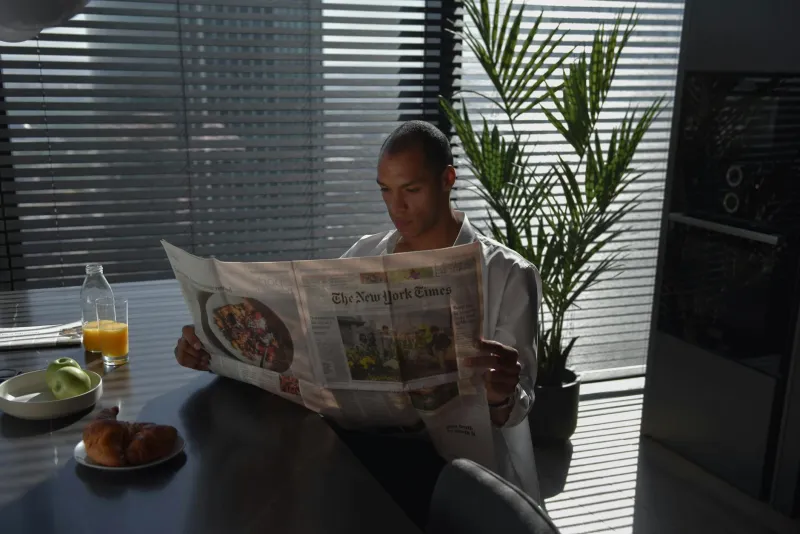
The Morning Paper Ritual
In 1975, America woke up to the sound of newspapers hitting driveways across the country. By 6 AM, millions of Americans were padding to their front doors in robes and slippers, retrieving their daily connection to the world beyond their neighborhoods.
The morning paper wasn't just news delivery—it was a ritual that structured the start of every day. Fathers read the front page while mothers scanned local news and obituaries. Sports sections were passed between family members, and the comics were saved for kids over breakfast cereal. The crossword puzzle would challenge office workers during lunch breaks, and classified ads were studied by anyone looking for a job, a car, or a garage sale bargain.
This wasn't passive consumption. Reading a newspaper required active engagement, decision-making about what deserved attention, and the physical act of turning pages and folding sections. You couldn't click away from an uncomfortable story or skip to the comments section. You had to sit with information, process it, and decide what it meant for your day.
The Six O'Clock Appointment
Every weeknight at 6 PM, American families gathered around television sets for a shared national experience that's nearly impossible to imagine today. Walter Cronkite, Tom Brokaw, and Peter Jennings weren't just news anchors—they were trusted family friends who visited living rooms across the country with the day's most important stories.
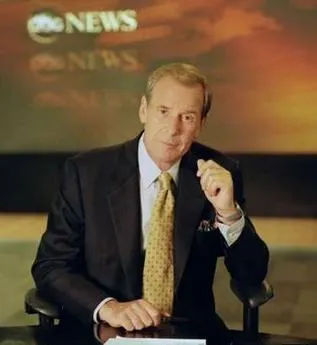 Photo: Peter Jennings, via www.theipinionsjournal.com
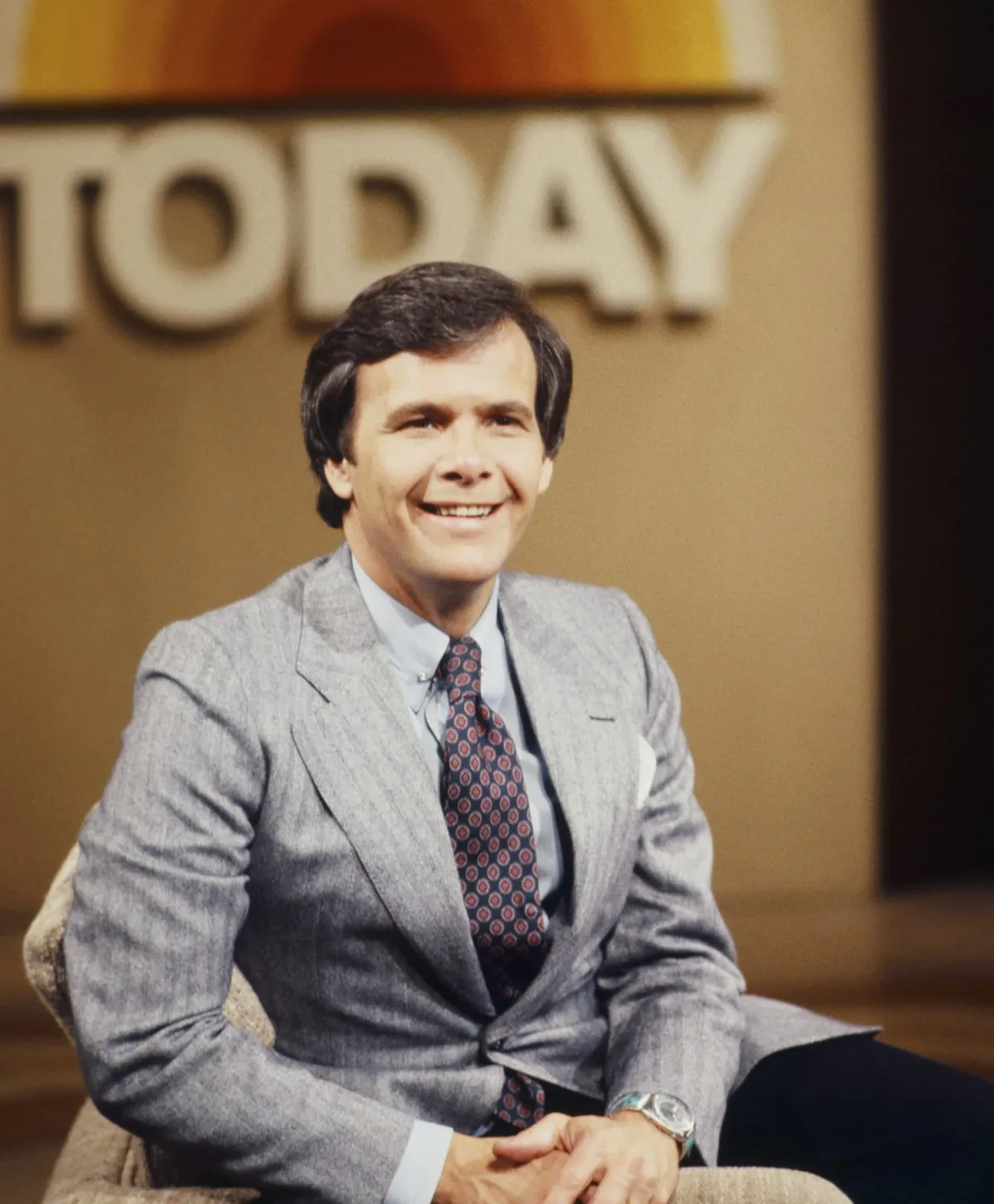 Photo: Tom Brokaw, via media-cldnry.s-nbcnews.com
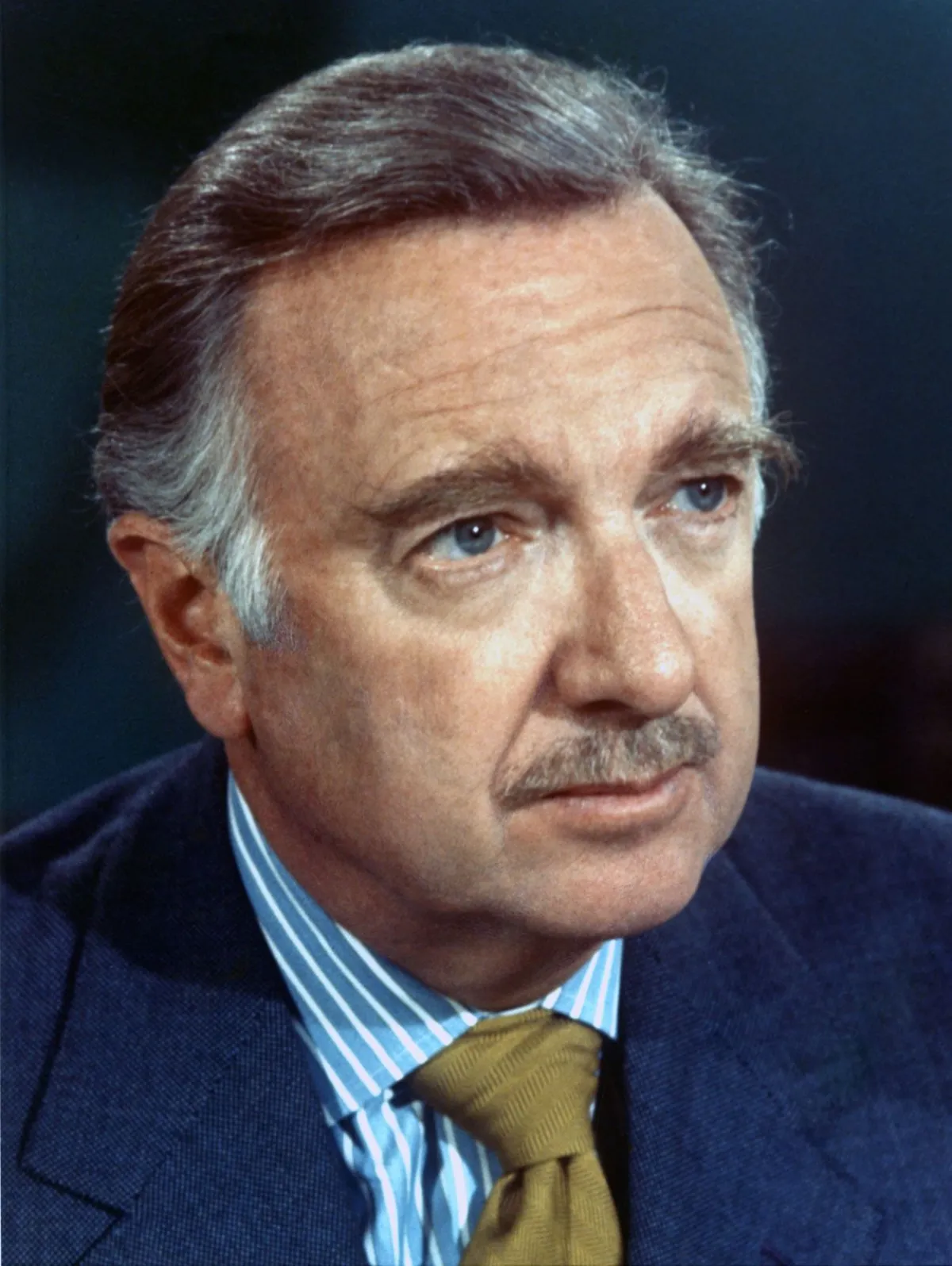 Photo: Walter Cronkite, via cdn.britannica.com
The evening news broadcast was appointment television before that term existed. Families planned dinner around it. Conversations were paused when the familiar theme music began. For thirty minutes, the entire country learned about the same events, heard the same analysis, and formed opinions based on shared information.
This synchronous news consumption created something we've lost: genuine national conversations. The next morning, coworkers discussed the same stories because they'd literally watched the same broadcast. Water cooler conversations weren't fragmented across infinite news sources and social media feeds—they were focused discussions about commonly understood events.
The Weekly Deep Dive
Time, Newsweek, and U.S. News & World Report weren't just magazines—they were weekly appointments with deeper understanding. These publications took the scattered events of the past seven days and wove them into coherent narratives that helped readers understand not just what happened, but why it mattered.
The weekly magazine format encouraged a completely different relationship with information. Instead of reacting to events in real-time, readers could step back and consider broader implications. Complex stories were given space to breathe, context was provided, and analysis went beyond hot takes and immediate reactions.
Subscribers looked forward to their weekly magazines the way modern Americans anticipate their favorite Netflix series. The arrival of Time in the mailbox meant it was time to settle in for serious reading, to engage with ideas that required more than a few minutes of attention.
The Patience of Not Knowing
Perhaps the most striking difference between then and now was America's comfort with not knowing everything immediately. When news broke on a Tuesday afternoon, most Americans wouldn't learn about it until the evening broadcast or the next morning's paper. This delay wasn't seen as a problem—it was simply how information moved.
This slower pace created space for reflection that we've completely lost. Journalists had time to verify facts, interview sources, and provide context before publishing. Readers had time to absorb information before forming opinions. Public discourse moved at a more deliberate pace that encouraged thoughtful consideration rather than immediate reaction.
The result was a more measured national conversation. Political debates happened in newspaper editorial pages and television discussion programs, not in real-time social media exchanges. Americans formed opinions based on curated information rather than raw, unfiltered data streams.
The Shared Information Diet
In 1980, Americans consumed news from a relatively small number of sources. Three television networks, a handful of national newspapers, and several weekly magazines shaped most of the country's understanding of current events. This wasn't ideal for diversity of perspectives, but it created something valuable: a shared foundation of facts.
When Americans disagreed about politics or current events, they were at least disagreeing about the same set of information. Debates focused on interpretation and policy rather than fundamental disputes about basic facts. The concept of "alternative facts" would have been incomprehensible because most Americans were working from the same informational starting point.
This shared information diet also meant that important stories received sustained national attention. When the evening news featured a story about environmental pollution or government corruption, the entire country was learning about it simultaneously. This concentrated attention created pressure for action that's harder to generate in today's fragmented media landscape.
The Cost of Always Knowing
Today's 24-hour news cycle promises to keep Americans informed about everything, everywhere, all the time. Breaking news alerts ensure we know about events within minutes of their occurrence. Social media provides instant access to multiple perspectives, primary sources, and real-time reactions.
But this constant information flow comes with psychological and social costs that we're only beginning to understand. The human brain wasn't designed to process global crises in real-time. The constant stream of breaking news creates a perpetual state of low-level anxiety that previous generations simply didn't experience.
Moreover, the speed of modern news consumption has fundamentally changed how we process information. Instead of taking time to understand context and implications, we've learned to form immediate opinions based on headlines and social media summaries. Nuance has been sacrificed for speed, and depth has been traded for breadth.
The Rhythm We Lost
The scheduled news consumption of previous decades created a natural rhythm that separated information processing from daily life. Americans could engage deeply with current events during designated times, then return to their immediate concerns without feeling disconnected from the world.
This separation wasn't ignorance—it was psychological hygiene. People understood that they didn't need to know about every tragedy, political development, or global crisis the moment it occurred. They could trust that truly important news would reach them through their established information channels.
The result was a more sustainable relationship with current events. Americans stayed informed without being overwhelmed, engaged with important issues without being paralyzed by information overload, and participated in public discourse without sacrificing their mental health.
We gained unprecedented access to information, but we lost the wisdom to consume it thoughtfully. The question isn't whether we can return to the slower news cycles of the past, but whether we can learn to create boundaries and rhythms that serve our psychological and civic well-being in the digital age.